
Industrial Construction at PuebloPlex
Building and reuse at PuebloPlex east of Pueblo: surveying old depot buildings, new metal and industrial shells, utilities and secure-site access.
- Category
- Service Areas
- Area
- Pueblo and southern Colorado
- Next Step
- Request a Project Review
More than 600 buildings sit on the former depot ground that PuebloPlex is now repurposing, and the first job for any builder there is working out which ones are worth keeping. The master plan work covers a roughly 16,000 acre site with more than 600 buildings plus utility and transportation systems, with priority on the 640 acre parcel that is leaving Army ownership. We help tenants and the redevelopment authority decide what to reuse, what to replace and what to build new, and we price each option so the choice rests on numbers.
PuebloPlex is at 45825 CO Highway 96 East, about 15 miles east of Pueblo. Its website cites nearly 23,000 secured acres in one place and nearly 16,000 in another, so we treat acreage figures as approximate until a survey says otherwise. A 1,111 acre parcel officially became PuebloPlex property on September 24, 2025, and the site is being repurposed for manufacturing, technology, logistics, rail-related industry, aerospace and defense, and research and development.
Tenants today include manufacturing, warehousing, distribution and rail car storage and maintenance, and the redevelopment plan supports industrial, storage, research and development and rail-related uses. Each of those needs a different building, and a depot built for ammunition storage rarely matches any of them without work.
Reuse first, then new construction
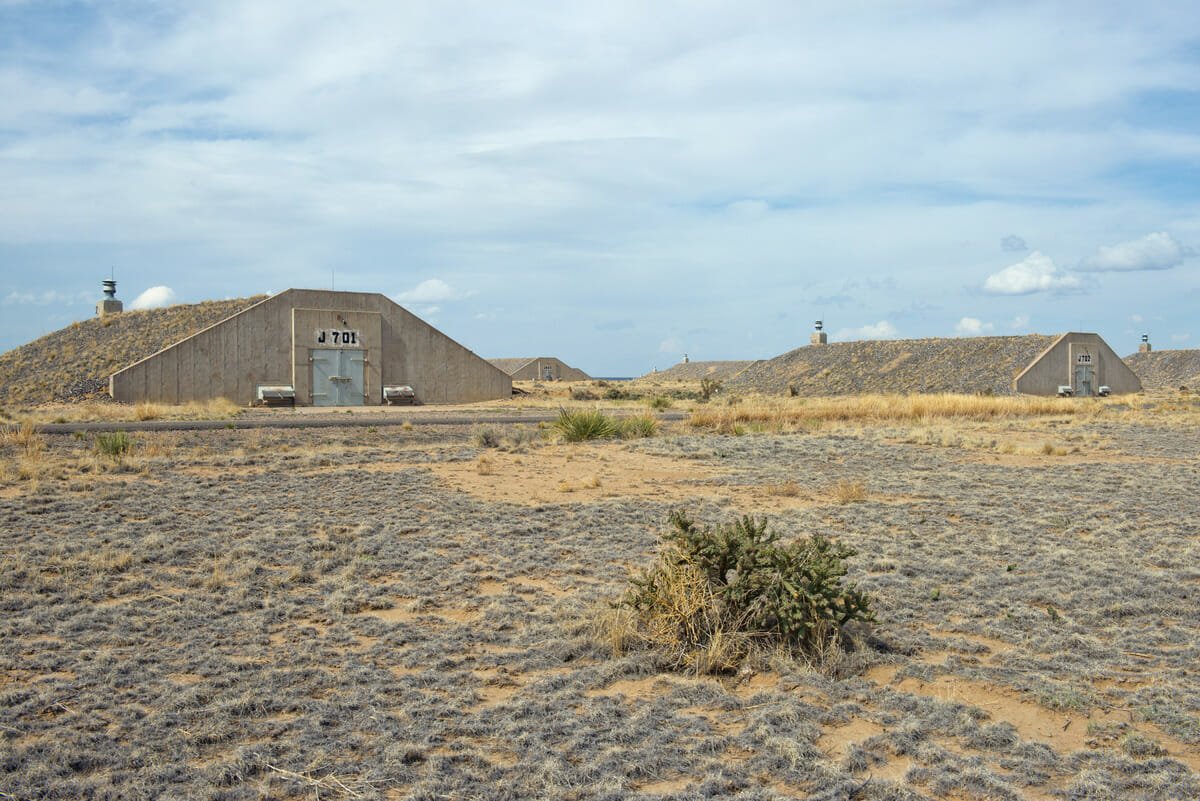
PuebloPlex has more than a dozen tenants in aerospace and defense, railroad and research and development, and it rents over 1,000 earth-covered magazines, known as igloos, as storage. Igloos are good for storage of items that need stable temperatures and little else. They are not good for people, machines or anything that needs daylight, power and clean air.
For tenants who need more, we look at the other buildings on site. A building survey covers structure, roof, floor, utilities, fire protection and hazardous materials. We then price the repair against a new metal building of the same size. Sometimes reuse wins. Often it does not once old roofs, wiring and heating plants are costed honestly. We write the comparison in plain language, because the tenant's finance people read it too.
Where a building is kept, we start with the roof and the floor. A dry building with a sound slab can be brought back for storage or light assembly at modest cost, while a leaking roof over a cracked floor is a larger project than it looks. We would rather tell you that at the walkthrough than after the demolition.
Why tenants look east of town
A site this size offers things that are scarce closer to the city: large parcels, existing rail, distance between neighbors and room to grow. Tenants in rail-related industry, aerospace and defense and research and development use the land to build something they could not place on a small lot.
Other industrial areas make different offers. Owners comparing sites can read about the airport industrial park and the Transportation Technology Center to see how each location handles access, utilities and security. We will say honestly when another site suits your use better.
What we manage on a large site
On a site with long distances between buildings, managing the early work closely matters. We schedule and supervise the grading, underground utilities, concrete foundations and slabs, and light steel trade partners directly, so the schedule does not depend on trades that need to be mobilized from far away.
We bring in specialty trades for electrical service, process piping and fire protection, and we vet them for site access before the job. If your building needs a heavy slab or a crane runway, our manufacturing facility construction group lays out the design with your process engineers.
Long distances and long lead times
Power is often the controlling item. A new tenant may need a service upgrade that takes longer to arrange than the building itself, so we ask for the utility's schedule at the start and carry it as a dependency. Switchgear and transformers have their own lead times, and we apply long-lead procurement discipline to those orders.
The site is 15 miles from Pueblo, so deliveries need planning. We schedule concrete pours with a plant that can reach the site within its working window, and we stage materials ahead of time. A trip back to town for a forgotten part costs half a day.
Phasing helps a tenant that is still growing. We often build a first phase sized for the tenant's current contract, with the foundations, utilities and structure ready to add a second bay. That keeps the first cost down without closing off the second phase, and it avoids tearing into a finished wall later.
Access, security and sensitive work
Parts of PuebloPlex host defense and aerospace tenants. We never discuss tenants' programs or our clients, and we do not need to know what a building will be used for beyond its facility requirements: size, loads, power, cooling, security and access. Crews work under the access rules set by the site and the tenant, including badging and escort requirements.
Former military ground also deserves care. We review known environmental conditions with the owner before digging, and we stop work and notify the owner if we find anything unexpected. Nobody should be guessing about what is in the ground.
Related work
Many PuebloPlex projects combine renovation and adaptive reuse of an old building with a new addition. Building the addition first, then moving operations into it while the old space is renovated, keeps the tenant operating.
For tenants in shipping and receiving, logistics and distribution work adds dock doors, truck courts and rail loading. The pieces fit together when they are designed together.
Considering a PuebloPlex site
Tell us the use, the size and the date. We will walk the site with you, compare reuse and new construction and give you a clear number.
Questions Owners Ask
Can an old depot building be converted for modern use?
Often, but it takes a survey first. We check the structure, roof, floor, utilities, fire protection and hazardous materials. Then we compare the repair cost against new construction of the same size and show you both numbers.
Are the earth-covered igloos useful for anything other than storage?
They are mainly storage. PuebloPlex rents more than 1,000 of them for that purpose. They are not set up for occupied space, so people, machinery and processes belong in other buildings.
How big is PuebloPlex?
Figures differ by source. The site's own web pages cite nearly 23,000 secured acres in one place and nearly 16,000 in another, and the master plan work covers about 16,000 acres. We confirm parcel boundaries with a survey before any design starts.
Do you build for defense and aerospace tenants?
We build the facilities they need, within their security and access rules. We do not discuss tenants' programs or our clients, and we work from facility requirements such as size, loads and utilities.
What is the biggest schedule risk for a new tenant?
Utility service and long-lead equipment. Power upgrades and switchgear can take longer than the building. We ask for the provider's schedule at the start and plan around it.