
Pricing first
Owners in this market watch their money. They should. The city itself says commercial and industrial building here runs about 10 to 15 percent below the national average. That is a good starting point. It is not a promise about your project. Soil, utilities, rail access, steel prices and the building department all move the number.
So we price in stages. A rough budget comes first, built from the use, the size and the site. A firmer number follows once there are drawings. A guaranteed price comes only when the scope is fixed. Our preconstruction and estimating work is where most of the value sits. It is cheaper to find a problem on paper than in a trench.
Every estimate we send lists what is in, what is out, and what we assumed. Allowances are labeled as allowances. Unknowns, like rock, old foundations or buried lines, are named and given a plan. You can compare our numbers against anyone else's because we show our work.
What we build
Pueblo is a working city, and most of our work is working buildings.
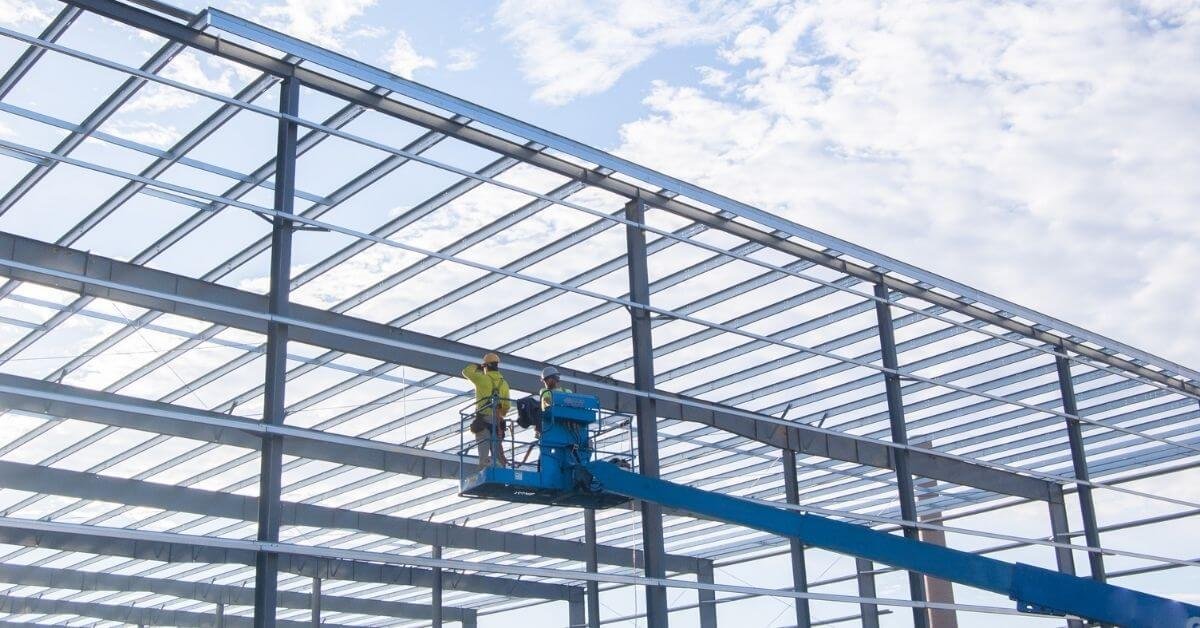
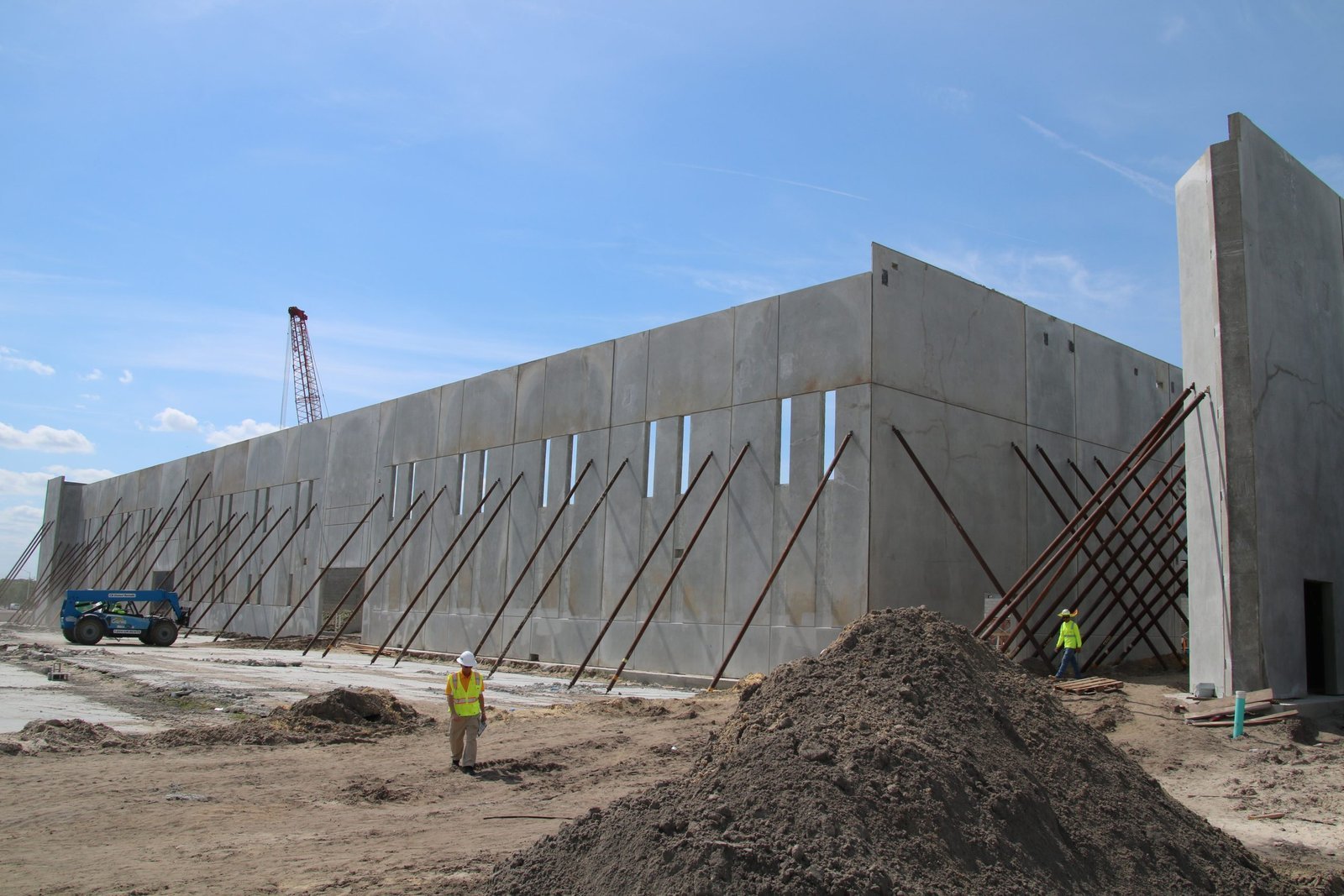
Industrial and shop space is the core. That means fabrication shops, warehouses, equipment buildings, storage and truck yards. Many of these are pre-engineered metal buildings, because the speed and cost suit the owner. Others call for tilt-wall panels or poured slabs designed for heavy loads, and our tilt-wall construction page explains when that route pays off. When an owner runs cranes or forklifts all day, the slab is the building, and we treat it that way.
Manufacturing is the second piece. Pueblo has a long record of heavy industry, and it is still adding plants. A new factory or an expansion needs a builder who can manage utilities, rail spurs, foundations and the owner's equipment schedule at the same time. Our page for manufacturing plants lays out how we sequence that work.
Health care and education come next. The city has a large hospital campus near downtown, a state hospital on a historic campus, and a university in the northern part of town. These owners need construction that runs next to people who are sick or studying. We build clinics, medical offices, school additions and renovations, with barriers, after-hours tie-ins and clear communication. Owners in the health care sector will find the details on that page.
We also build offices, retail space, self-storage, hotels, apartments and municipal buildings. Each of those has its own page on this site. We will not pretend every one is a specialty. The point is that the same estimating, scheduling and safety habits apply to all of them.
Where we work
Pueblo sits where Interstate 25 and US 85 run together, where US 50 crosses east and west, and where BNSF and Union Pacific both run freight. That mix makes it a logical place to make, store and move things. We know the roads, the rail crossings and the places where a loaded truck has trouble getting in.
On the south side, the steel mill, which began producing in 1881, still shapes the economy. The ground around it has more than a century of industrial use, and heavy equipment is a normal neighbor. Work there needs strict site safety and honest planning. Our page on the steel mill area covers how we plan around an operating plant. A short drive east, the former Army depot property is being turned into a business park for aerospace, defense, rail and manufacturing users, and the airport industrial park sits next to a runway of more than 10,000 feet. Further out, a wind tower plant has expanded in a large industrial park, which says something about the building sizes this region now handles.
Downtown is a different job. The Union Avenue historic commercial district covers 27 acres and 69 contributing properties, many from the 1880s. Old brick, tight sites and a history of flooding make renovation here a careful business. We keep that in mind on every project in the Union Avenue historic district, from storefront repair to full interior rebuilds.
To the west, Pueblo West covers about 49 square miles and had over 33,000 residents at the 2020 census. US 50 runs through it and a north industrial park serves growing demand. It is county jurisdiction, not city, which means a different permit path. We handle both.
Beyond Pueblo County, we take projects in Canon City, Florence, Penrose, Walsenburg, Trinidad, La Junta, Rocky Ford and the smaller towns along US 50 and Interstate 25. Distance is a cost. We account for travel, lodging and material hauling in the estimate, and we do not hide it in a later change.
How a job runs
We keep the process short and written down.
Start with a site visit and a conversation. We walk the property, look at access, power, water, sewer and drainage, and ask what the building has to do. Then comes the budget. If you have drawings, we price them. If you do not, we help you get to a scope that can be priced.
Permits come next. Pueblo and Pueblo County work with the Pueblo Regional Building Department, which lists the 2021 International Codes and the 2023 National Electrical Code as currently in effect. We check the current list at the start of every project, because editions change and a surprise at plan review costs weeks. Colorado also requires jurisdictions that update their codes to adopt an energy code at least as strict as the 2021 IECC, so insulation, glazing and mechanical efficiency belong in the early numbers.
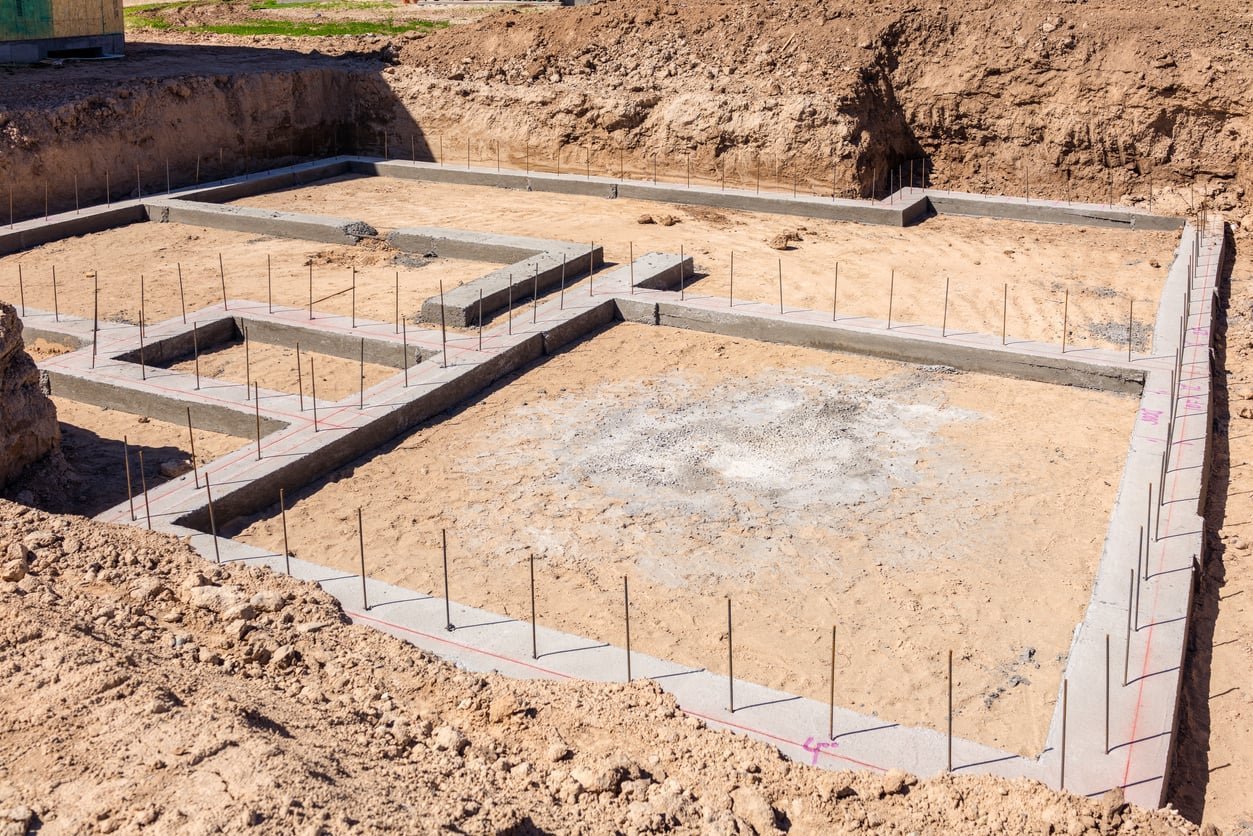
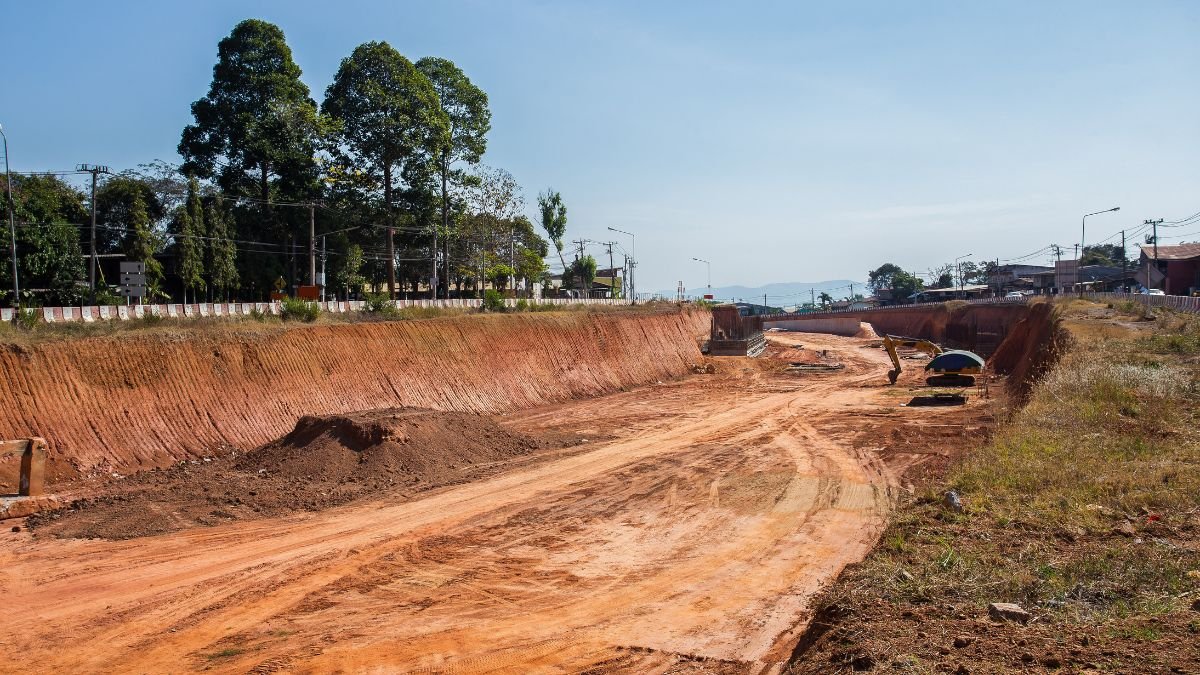
Site work follows. The trade partners for site development and utilities clear, grade, trench and prepare pads. Then foundations, structure, envelope, systems and finishes. The schedule is posted. The superintendent is on site. We hold a weekly meeting, and the owner gets a written update afterward.
Safety is not a slogan. Daily huddles, tool and ladder checks, fall protection, trench protection and clean walkways are routine. On industrial sites we follow the owner's own rules as well as ours. Anyone can stop work for a hazard.
At the end, we walk the building with you, finish the punch list, hand over warranties and manuals, and train your staff on the systems. Then we answer the phone when something needs attention.

What we do not do
We do not claim a specialty we have not built. We do not guarantee a date that depends on a supplier we do not control, and we do not hide long lead times. Steel, electrical gear, rooftop units and some doors can take months. We flag them on day one and order early.
We also do not take every job. If the budget cannot match the scope, we say so and suggest what could change: a smaller footprint, a simpler system, a phased build. A lower number that cannot be built is not a bid. It is a delay.
Start with the basics
If you are thinking about a project in Pueblo or southern Colorado, send us four things: the address, the use, the approximate size and the date you need to be open. Add drawings, a survey or photos if you have them. We will tell you what we see, what we would need next, and a realistic range for the first phase.
Do you build outside the city of Pueblo?
Yes. We work throughout Pueblo County and in Canon City, Florence, Walsenburg, Trinidad, La Junta, Rocky Ford and nearby towns. Travel and hauling are included in the estimate so the number does not change later.
Which building codes apply in Pueblo?
The Pueblo Regional Building Department lists the 2021 International Codes and the 2023 National Electrical Code as currently in effect for Pueblo and Pueblo County. Other Colorado jurisdictions adopt their own editions, so we confirm the list with each building department before we price.
Can you build next to an operating plant or hospital?
Yes. We plan access, noise, dust, deliveries and shutdowns with the facility staff before we start. On industrial sites we follow the owner's safety rules in addition to ours.
How do you handle long lead items?
We identify steel, switchgear, rooftop equipment and specialty doors during estimating, list their lead times in the schedule and order them as early as the owner allows. If a delivery date is uncertain, the proposal says so.
What do you need for a first estimate?
The address, the use, a rough size and the date you need to be in. Drawings and a survey help, but we can start from a written description and give you a range with stated assumptions.
Contact General Contractors of Pueblo
Send the address, the use, the approximate size and the date you need to be open. We will tell you what we see and what we would need next.