
Construction for Hospitality Groups in Pueblo
General contractor for Pueblo hotel and restaurant owners: new hotels, brand refreshes, downtown conversions and event-ready builds with plain cost per key.
- Category
- Industries We Serve
- Area
- Pueblo and southern Colorado
- Next Step
- Request a Project Review
Between 1,300 and 1,700 Air Force flight trainees a year pass through Pueblo Memorial Airport under the Initial Flight Training program run by Doss Aviation, and every one of them has to sleep and eat somewhere. Hotel and restaurant owners in this market get their business from a mix of sources: steel and rail travelers, state fair crowds, lake visitors, highway traffic on I-25 and US 50, and downtown events. We build and renovate the buildings that serve them.
We keep the work practical. Hospitality owners watch room count, brand standards, operating cost and opening date. Our job is to tell you what each of those costs to deliver in this city. We do not claim a visitor boom. We give you a build cost, a schedule and a list of items that could change them, then work with your brand and operator to meet the requirements.
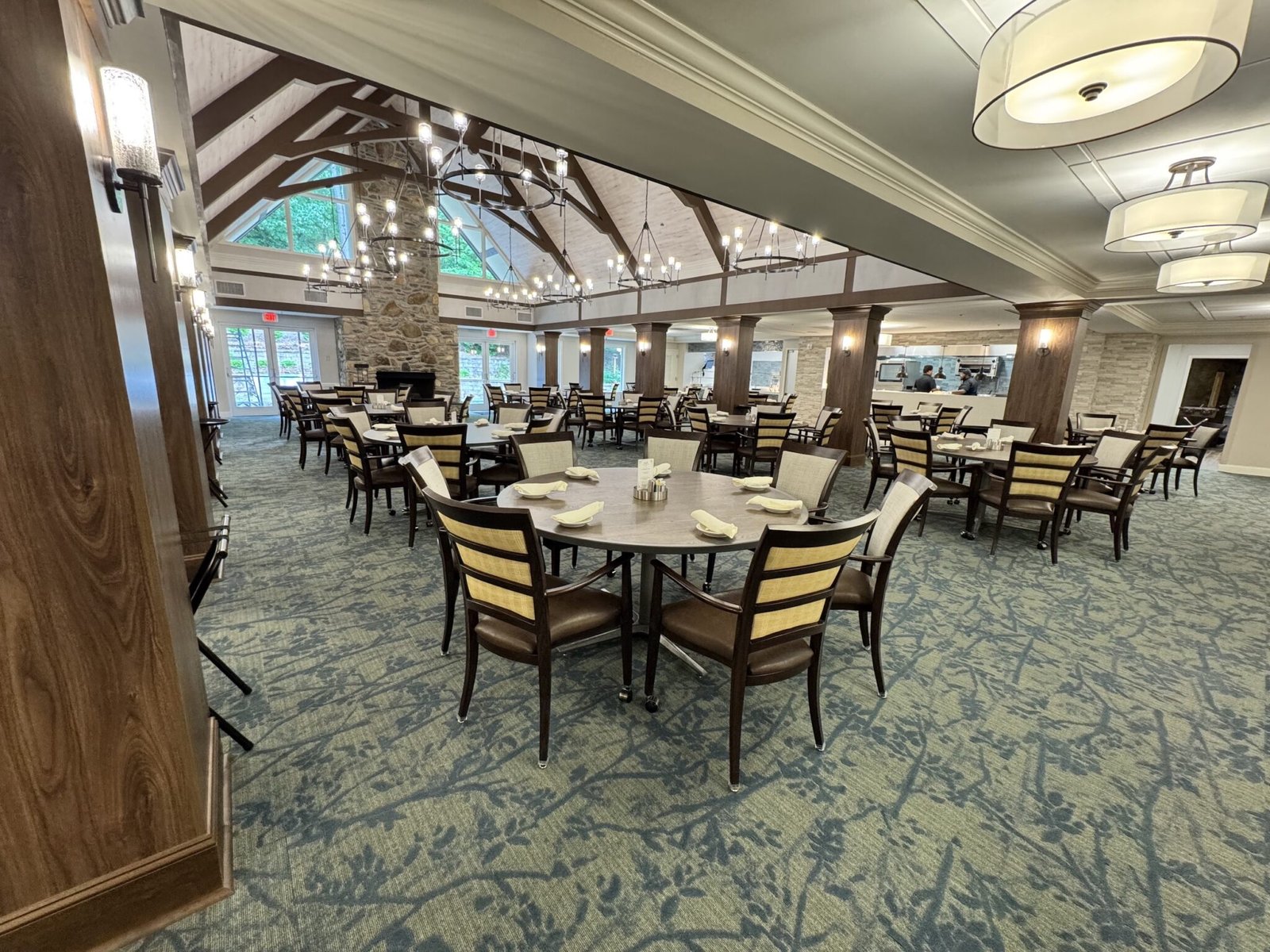
Our work covers hotel construction, brand refreshes, restaurants and event space, with a particular eye for older buildings that can become something new.
Who stays and eats here
Pueblo sits on a north-south route where Interstate 25 and US 85 run together, with US 50 crossing east-west and freight carried by BNSF and Union Pacific. That combination brings through travelers and business travelers who service the rail and steel economy. At Pueblo Memorial Airport, the flight training program is a steady source of lodging demand that does not depend on tourism seasons, and the airport is about 5 miles from I-25 and adjacent to US 50.
The Colorado State Fair at 1001 Beulah Avenue is scheduled for August 27 to September 6, 2027, and the grounds host other events through the year. Lake Pueblo State Park covers 10,279 acres with 60 miles of shoreline. A hotel or restaurant owner can plan around those draws, but should also plan for the quiet weeks. We build budgets and operating assumptions that hold up through the slow weeks, and we will tell you where we think a feature will not pay for itself.
Brand standards, franchisors and the owner
A hotel job has three parties pulling in different directions: the owner, the flag and the operator. We read the brand's construction standards before pricing and flag every item that costs more than a typical commercial building, such as specified finishes, case goods, signage and technology infrastructure. We keep a running compliance log so the franchise inspection on opening week has no surprises.
We also bring the operator into the room. They know what a housekeeping cart needs in a corridor and what a night auditor sees at the front desk. Small layout adjustments made during preconstruction cost almost nothing and save labor for years. A corridor that is six inches wider, a linen room closer to the elevator or a back-of-house door that swings the right way will not show up on a brochure, but staff will notice every shift.
Renovation, restaurants and reuse
Not every hospitality project is a new building. Many are conversions or product improvement plans on older properties. Renovation and adaptive reuse is where our project teams spend a lot of time, and in Pueblo's downtown there is a lot of building stock to work with. The Union Avenue Historic Commercial District covers 27 acres and 69 contributing properties, including Union Depot and the Vail Hotel, many built in the 1880s.
Old masonry buildings can make distinctive hotels and restaurants, but they carry unknowns: structure, egress, accessibility, fire protection and historic review. Our page on the Union Avenue district explains how we investigate before pricing. For food service, see restaurant construction, where ventilation, grease handling and equipment lead times drive the plan.
Room cost, amenities and the lender
Cost per key is the number lenders compare, and it moves with the building type, the amenities and the brand package. A limited-service hotel is a repeatable box. A boutique conversion is not. We give you a cost per key range early and refine it as drawings develop, and we separate furniture, fixtures and equipment from construction so you can compare against your own proforma.
Pool and spa, commercial kitchens and large assembly rooms add disproportionate cost. If you are weighing them, we price them as alternates so you can see the effect. Parking and site work matter too. Large manufacturing plants and public sector projects draw on the same local electricians, mechanical contractors and concrete crews, so we lock in subcontractor commitments early and tell you when the labor market is tight.
Event grounds, lake areas and seasonal work
Sites near the fairgrounds or the lake come with seasonal pressure. Construction near the Colorado State Fair grounds should avoid fair dates for deliveries and road closures. Near Lake Pueblo, access, setbacks and environmental review may add steps.
We map those restrictions in the first meeting and build the schedule around them. If your target opening sits just ahead of a fair or a summer weekend run, we work backward from it and tell you which early milestones, like permit approval and steel or framing start, you need to hit. If a date cannot hold, we say so early and offer a phased opening, such as rooms first and the restaurant or meeting space later.
Tell us the brand, the site and the opening season
Send us the flag requirements, the parcel or building and the date you want guests. We will return a cost per key range, a schedule and the items that could move them.
Questions Owners Ask
How long does a limited-service hotel take to build?
It depends on the size, the brand package and the permit timeline. We will give you a schedule with the permit window, the structure, the exterior and the interior tracked separately. Furniture delivery and training are included as their own steps, and we would rather tell you a realistic opening than a hopeful one.
Can you convert an older downtown building into a boutique hotel?
Often yes, but the answer depends on structure, egress, accessibility and fire protection. We do a building investigation first, and if the building is in a historic district, we plan for added review. Some older buildings convert well. Some cost more than new construction, and we say so.
How do you handle franchise brand audits?
We get the brand's standards at the start, review them against the drawings, and keep a checklist through construction. Before the franchisor's inspection we run our own walk with the same list.
What can an owner do to reduce hospitality construction cost?
Simplify the building shape, repeat room types, limit specialty finishes and keep amenities lean. Choose mechanical systems with local service support. We show the cost difference between each so you can pick.
Do you build restaurants inside hotels?
Yes. A hotel restaurant shares utilities, fire protection and sometimes a loading area with the lodging building, so we coordinate the kitchen exhaust, grease interceptor and equipment loads with the base building from the start. Separate operators often handle the kitchen, so we agree on who buys and who installs each piece of equipment.