
Long-Lead Procurement for Pueblo Projects
Early equipment buyout and delivery tracking for Pueblo commercial and industrial projects, so steel, switchgear and process gear arrive when crews need them.
- Category
- General Contracting Services
- Area
- Pueblo and southern Colorado
- Next Step
- Request a Project Review
Phase one of the 900,000 square foot wind tower expansion in Pueblo was due by summer 2024, with phases two and three by 2028. That kind of staged calendar exists because the people planning it know that the building is only part of the schedule. The equipment that goes inside has its own clock, and the clock is set by factories, not by contractors.
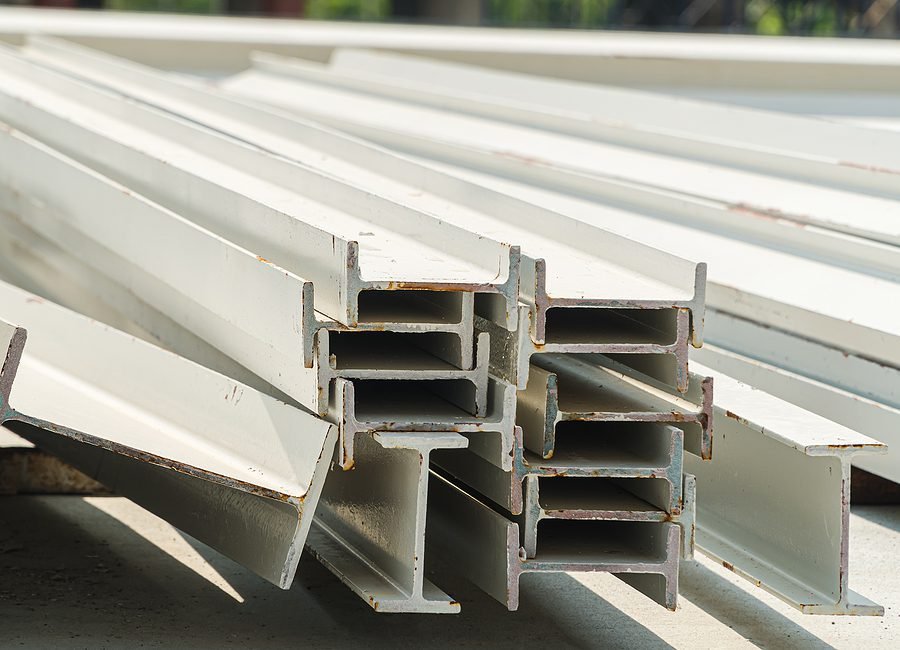
Long-lead procurement means ordering the items that take months to arrive before the rest of the design is done: structural steel, switchgear, transformers, generators, rooftop units, chillers, overhead doors, dock equipment, elevators and specialty process equipment. If you wait for the full drawing set to buy them, the building will sit finished and dark while you wait for a box to arrive. We help owners decide what to buy early, when to release it and how to protect the money they spend.
We are not a broker. We write the procurement schedule, manage submittals, track fabrication and shipping and arrange receiving and storage on site. The goal is simple: nothing the crew needs should be late for a reason we could have seen coming.
Where the money goes when you buy early
Buying early commits capital before the building is permitted, and that has a cost. Deposits, storage fees, insurance on stored materials and the interest on cash tied up in equipment all add to the project budget. Against that, you have the cost of delay: extended general conditions, carrying costs on the land and lost revenue for each month the building is not open. We lay both sides out so the decision rests on numbers.
Price risk is the other driver. Steel, copper, aluminum and electrical gear can change in price while a design is in process. Locking in a price with a purchase order protects you from increases but exposes you if the design changes. Where a design is stable, we advise buying early, and where an owner plans phased work on an occupied site, we release equipment in step with each phase. Where it is not, we recommend a reservation of production capacity or a limited release. We also look at escalation clauses so you know what you are agreeing to.
Working backward from the day you open
We build the procurement schedule from the opening date backward. Equipment must be set before it can be connected and tested, connection must be done before commissioning, and commissioning must be done before the building can be occupied. That gives each item a date by which it has to be on site, and a date earlier than that by which it has to be ordered. We add float for shipping and for the factory's own delays.
Then we put the dates in front of everyone who can slip them: the design team for shop drawings, the owner for approvals, the supplier for fabrication and the carrier for transport. Pueblo sits about 112 miles from the state capital and has interstate and rail access, which helps, but an oversize load on a state highway needs its own permits and planning. We track each item in a weekly log and flag any that fall behind while there is still time to recover.
Why this matters in a small metro
Big projects pull on the same supply chain at the same time. When the rail mill project at Pueblo reported about 800 construction jobs and a $500 million budget, and the wind tower plant was adding its own expansion, both drew on the same regional suppliers and trades that any other owner needs. Even if you are building a clinic or a warehouse, the market tightens around you. Early commitments help you secure the equipment and the crews.
The 150,000 square foot defense complex under construction at PuebloPlex, with completion targeted for the end of 2026, is another reminder that specialized buildings carry their own long-lead needs. A small market means fewer local suppliers and longer trips for parts, so we plan for more lead time on anything that has to come from outside the Arkansas Valley and we give owners an honest view of how that affects their dates.
Submittals, tracking and receiving
Procurement begins with a buyout log listing every long-lead item, the specification section, the supplier, the required on-site date, the submittal status and the fabrication time. We review submittals for compliance and coordination so a rooftop unit that arrives is the one the structure and the electrical design assumed. Mistakes found at the factory are cheap. Mistakes found on the roof are not.
Once equipment ships, we manage receiving. That includes a laydown area, a crane or forklift plan, inspection on arrival for damage and a clear storage plan that protects equipment from weather and theft. We document every delivery with photographs and claims paperwork. If a piece is damaged, the claim starts the day it arrives. Our permitting work runs in parallel so approvals and purchases do not wait on each other.
Who needs to buy early
Manufacturers building around a process line, healthcare owners installing imaging and surgical equipment, and developers with a signed tenant on a deadline all feel the pressure. A manufacturer may need a vendor to deliver a production line on a set date, with the building ready weeks earlier for installation and testing. A health system adding a cancer center or surgical suite has equipment that cannot be rushed.
The same thinking applies to data centers and cold storage facilities, where electrical gear and refrigeration systems carry the longest lead times. We also see it on smaller jobs, such as a single dock door package or a custom storefront. If an item can hold the schedule hostage, it is worth putting on the log.
Make the equipment list first
Send us the preliminary equipment schedule and the opening date and we will mark what to order now, what to hold and what it costs to do either.
Questions Owners Ask
Which items should I order before the design is done?
Anything with a long fabrication time and a stable specification, typically structural steel, switchgear, transformers, generators, large air handling units and elevators. Your design team and we will list candidates and mark which are safe to buy now and which should wait for final drawings.
How do you protect my deposit on early orders?
We ask for supplier financial information on large orders, use written purchase orders with delivery dates and remedies, and arrange stored materials coverage and bills of sale where appropriate. We cannot remove all risk, but we reduce it and explain what is left.
What if the supplier is late?
We track fabrication, so a slip is usually visible early. Then we look at options: a partial delivery, expedited shipping, a substitute product that meets the spec or a resequenced schedule. We tell you the cost and time impact of each option before choosing.
Do you store equipment, or does the supplier?
Either can work. Supplier storage often costs a fee and has limits on duration. On-site storage requires space, security and weather protection. We compare the options based on how long the item will sit and what could go wrong.
Who owns the equipment while it is in transit?
That depends on the purchase terms. We read freight terms, title transfer and insurance before the order is placed and make sure the coverage matches the risk. A damaged transformer in transit can set the project back months, so the paperwork matters.