
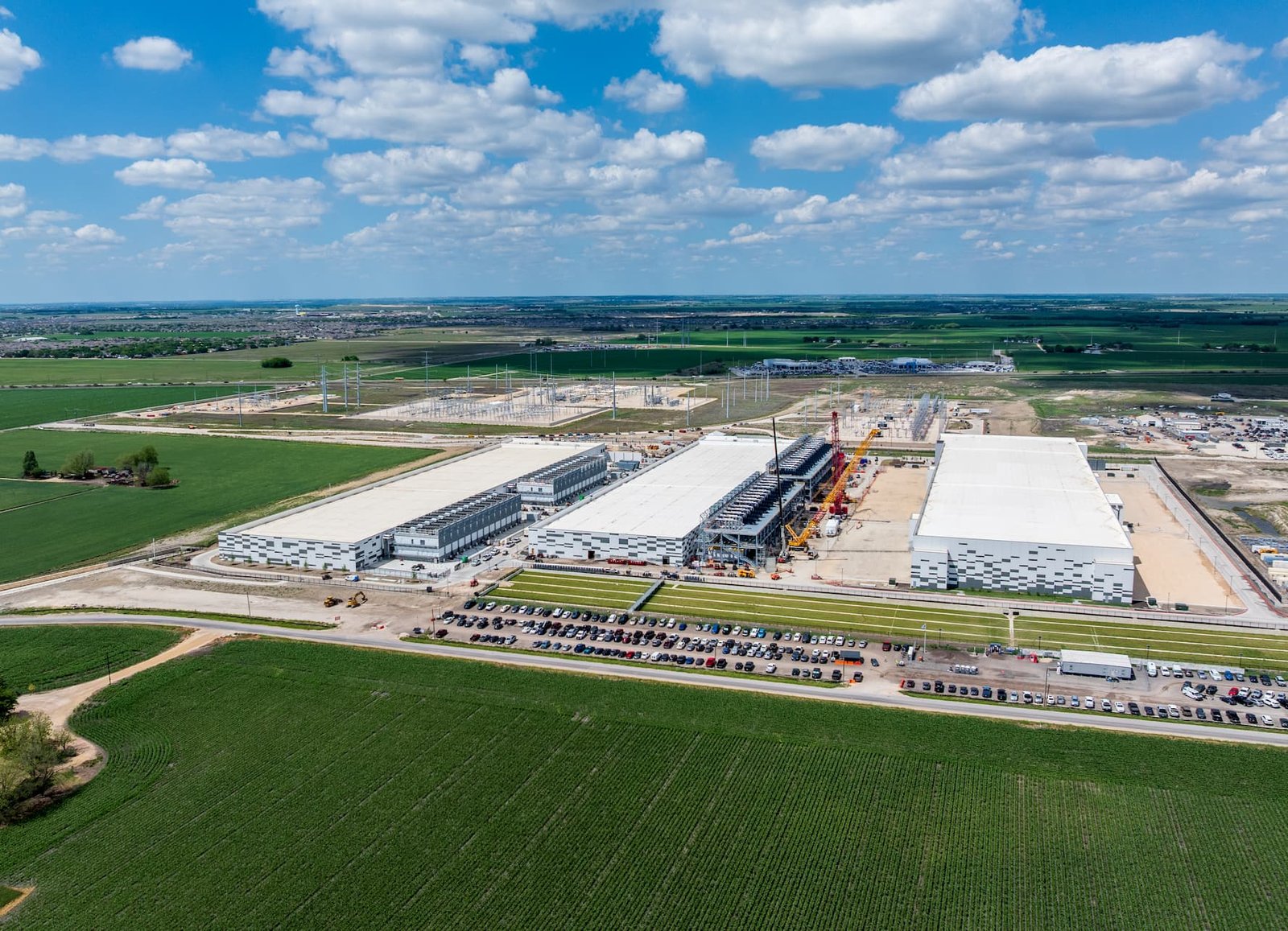
Data Center Construction in Pueblo
Data center construction for the Pueblo area: secure shells, generator yards, power-first scheduling and an honest view of what this market offers.
- Category
- Building Types
- Area
- Pueblo and southern Colorado
- Next Step
- Request a Project Review
A data center is a power plant's customer first and a building second. The shell is simple, a big, secure, well-cooled box, but the schedule is set by electric service, cooling capacity and the lead time on switchgear and generators. Owners who start with the building and think about power later usually lose months. We start with the power.
Pueblo is not the first place most people think of for this work, and we will not oversell it. What it does offer is real: flat industrial ground, I-25 and US 50 access, a city that reports commercial and industrial construction costs 10 to 15 percent below the national average, and a steel mill site where a 240 megawatt on-site solar field was announced as part of the new rail mill. Those facts say something about how the area thinks about large electric loads.
We build data center shells, fit-outs of existing buildings into server space, and the support structures around them: generator yards, fuel storage pads, electrical rooms and security perimeters. We are open about what we do and what the owner's engineers handle, so the scope is clear from the first meeting.
How we plan around power and cooling
We begin with a load letter. How many megawatts now, how many later, what redundancy and what cooling method. Those answers tell us how big the electrical yard needs to be, whether the building needs a mezzanine or a raised floor, and how much roof or yard space the mechanical plant will take. They also set the order of the work: electrical yard and underground duct banks first, then the structure, then the cooling plant and the fit-out. Underground conduit is cheap to place before the slab and costly to add afterward, so we draw the whole routing before we pour anything.
Our data center construction service is built on that sequence. The building goes up around the utility timeline. If the substation work takes two years, a fast shell does not help. We build the schedule with the utility's dates, and we ask the owner to tell us what drives their opening, whether it is a customer contract, a capacity target or a financing milestone. When the dates conflict, we say so early.
Site, security and resilience
Site selection comes down to power, fiber, water, hazards and land. A data center needs two diverse fiber paths if it is serious about uptime, and that is a question for carriers before it is a question for a contractor. Water use for cooling is another early check. Many designs use air or closed-loop systems to limit it, and we help the owner compare them.
The building itself is a security project. A fenced perimeter, controlled vehicle entry, hardened walls at key areas and a single supervised front door are standard. Pueblo's PuebloPlex campus, with a master plan covering a roughly 16,000 acre site, more than 600 buildings and utility and transportation systems, shows how much land and infrastructure is in play in the county. We can explore PuebloPlex alongside private sites with an owner.
Codes, energy rules and review
The Pueblo Regional Building Department lists the 2021 IBC, IEBC, IECC, IMC, IFGC and IFC along with the 2023 National Electrical Code as in effect. Data centers are heavy on mechanical and electrical systems, so the NEC and the energy code carry real weight here. Colorado law ties local code updates after July 1, 2023 to an energy standard at least equal to the 2021 IECC and the state electric and solar ready code, and a new benchmark takes over from July 1, 2026.
Fire protection takes special thought. Clean agent systems, early warning smoke detection and sprinkler designs that protect equipment need careful drawings. Generator and fuel storage requires fire official review and sometimes environmental permitting. We confirm the review path on day one, and the city says commercial approvals currently take about 75 days. A complete submittal, with the electrical one-line, mechanical schedules and fire protection narratives in the first package, avoids the comment rounds that stretch a review. If a utility interconnection agreement is part of the project, we track it on the same schedule as the permit so neither surprises the other.
Where this market stands
We have no announced data center project in the metro to point to, and we do not pretend otherwise. What we can point to is a base of heavy industry that already runs large loads. The steel mill on the south side, with its electric-furnace operation, and the new rail mill with its on-site solar field show that big power users operate here. PuebloPlex is described as a site for technology, manufacturing, logistics and research uses, and its master plan work covers utility and transportation systems across the site. Owners who already run manufacturing plants in the county know the local utilities and the permitting offices, which is a real advantage when a server hall follows.
For smaller edge computing rooms, a hospital, school or manufacturer may need a hardened server space inside an existing building. Hospitals and clinics in the healthcare sector often need such rooms. A server room in a hospital has stricter uptime requirements than most, and we plan power and cooling for it with the owner's engineers.
Schedule and long lead procurement
Generators, switchgear, transformers and cooling units can take many months to arrive. Owners should place orders early, and we manage the ordering sequence with them. Our long-lead procurement process tracks submittals, factory dates and shipping so equipment is not waiting at the site, or the site waiting on equipment.
Commissioning is a major phase, often with load banks, functional tests and documentation reviewed in stages. We schedule it as a real part of the project. A data center that is built but not commissioned cannot take a customer. For more on how we hand off a building, see commissioning and closeout.
Bring us your load letter
Share the megawatt target, the utility status and the site you have in mind. We will respond with what the building involves, how long the equipment takes and where we think the schedule is at risk. If your project is a flex industrial conversion, we can look at that too.
Questions Owners Ask
Is Pueblo a realistic place for a data center?
It can be, for the right owner. The county has land, interstate and rail access, an industrial workforce and a record of large electric users. What matters most is a firm utility commitment and fiber routes, and both have to be confirmed site by site. We can help you evaluate parcels against those requirements before you buy.
What do you handle, and what do the owner's engineers handle?
We build the structure, site, envelope, mechanical and electrical installation and commissioning support. The owner's consultants usually design the electrical and cooling architecture and the redundancy level. We pass along constructability advice, schedule and cost feedback during design so their plan can be built on budget.
How long does a small data center take?
A modest fit-out of existing space can take several months once equipment is in hand. A ground-up facility takes longer, mostly because of utility work and long lead equipment. We cannot quote a date without knowing the load and the utility, but we will tell you which items control the schedule.
Can a generator yard be permitted near other buildings?
Usually, with setbacks, fuel storage controls, noise review and fire department approval. The location and the fuel tank size drive the review. We map the requirements for your site early and design the yard to meet them.