
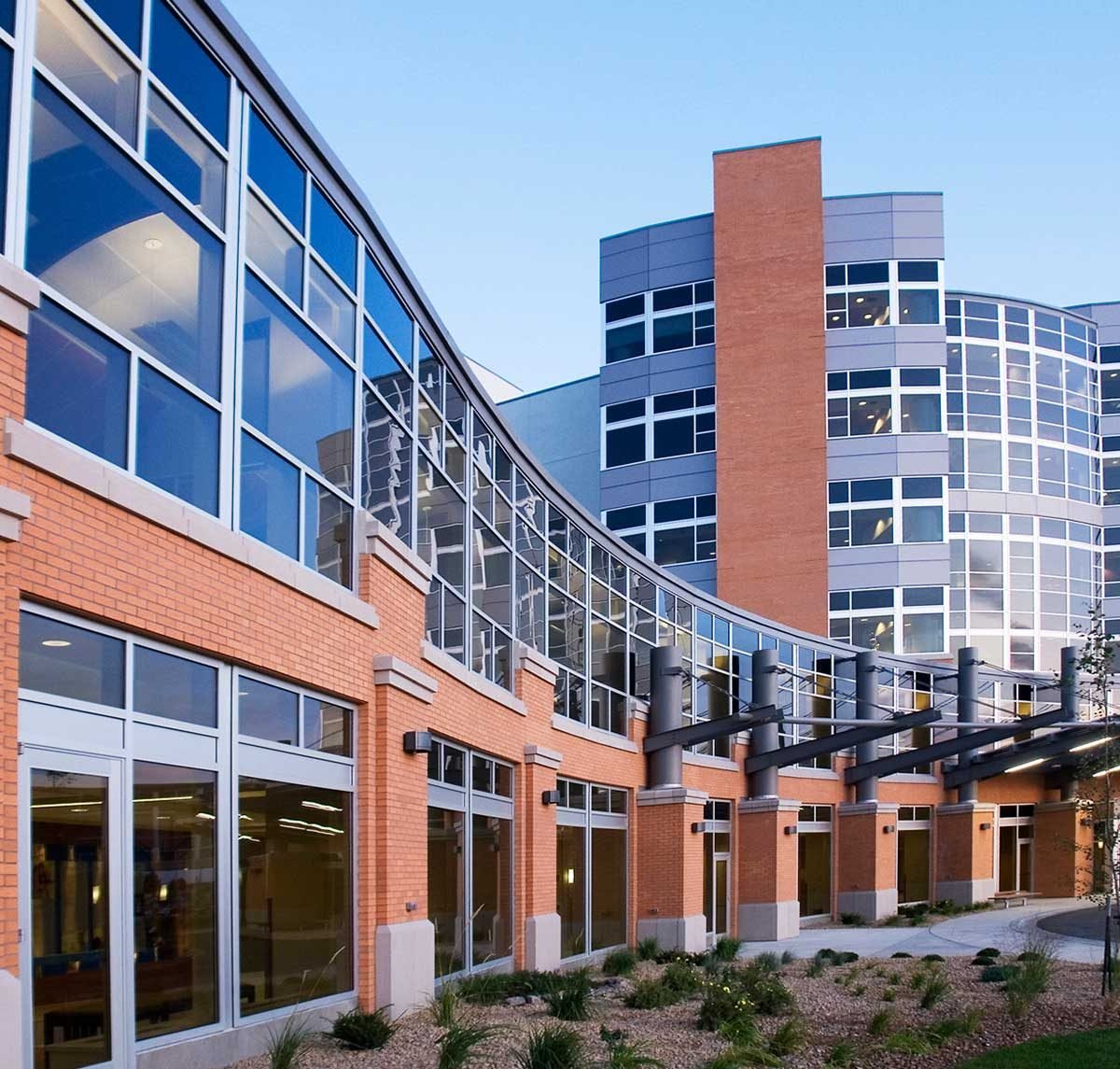
Construction for Healthcare Systems in Pueblo
General contractor for Pueblo health systems and clinics: renovations, additions and outpatient buildings done with infection control and phased operations.
- Category
- Industries We Serve
- Area
- Pueblo and southern Colorado
- Next Step
- Request a Project Review
UCHealth Parkview Medical Center has 266 staffed beds, a helipad and a Level III trauma designation dating to 1993, and every one of those features constrains what a contractor can do next to it. We build for health systems, clinics and behavioral health owners in Pueblo who cannot shut a unit for a month and cannot afford a dust complaint. Healthcare work here is mostly renovation, additions and clinic space, and it goes best when the contractor treats the occupied building as the main client.
The city's 2023 annual financial report lists UCHealth Parkview first among Pueblo employers at 4,293 and the Colorado Mental Health Hospital second at 2,000. Hospitals are the largest employers in town, and their capital plans keep moving. A new cancer center was finished in 2023 at 45,000 square feet. A campus whose buildings date from the 1880s and 1960s needs repair and replacement all the time. We have the habits for both.
That starts with planning. We deliver healthcare construction through preconstruction meetings with facilities, infection prevention and clinical leads before a single wall comes down.
Infection control, noise and utilities
An infection control risk assessment sets the rules for every healthcare job: barriers, negative air, walk-off mats, cleaning schedules and traffic routes. We follow the owner's assessment, build the barrier before the demolition and check pressure and cleanliness every shift. If a worker or a delivery needs to cross a patient area, the route and timing get approved ahead of time.
Noise and vibration need the same planning. Coring, saw-cutting and pile or drill work near imaging suites, labs and operating rooms get scheduled with the clinical team and monitored. Vibration readings are logged so the clinical team has a record. Utility shutdowns are the other pressure point: medical gas, power, water and fire alarm tie-ins are planned in writing, often for overnight windows, with a backup and a recovery plan.
Life safety, licensing and approvals
Healthcare projects pass through more reviewers than other buildings: the local building department, the fire authority and the state agencies that license and review health facilities. In Pueblo, the regional building department lists the 2021 I-codes and the 2023 National Electrical Code as currently in effect, and a hospital project is reviewed against those editions plus whatever licensing rules apply to your facility type. Confirm the review path early.
During construction we keep life safety systems working or covered by an approved interim plan. Fire alarm, sprinkler and egress changes are submitted and inspected in stages. Closing out takes real effort here, and commissioning and closeout is a planned phase for us, with testing, balancing and documentation finished before staff move in. Staff training on new systems is scheduled before the opening date, not on it, because a unit that cannot find the nurse call panel is not ready.
What we build for health owners
Most healthcare work in this market falls into three groups: renovation of existing clinical space, additions to existing hospitals and new outpatient buildings. We handle imaging and radiation shielding coordination, surgical suite upgrades, pharmacy and lab renovation, behavioral health safety features, and exam rooms and waiting areas. Parkview Cancer Center's 45,000 square feet and its linear accelerator is a good reminder of how much structure and shielding a single modality needs.
For outpatient work, see our medical office construction service. Clinics are faster, but they still carry plumbing, medical gas, accessibility and clinical workflow requirements that surprise owners who treat them like offices. We tell you which parts of the clinic budget are building and which are equipment, since they are bought and approved differently, and which lines a lender or a grant will recognize.
Campuses with long histories
The Colorado Mental Health Hospital in Pueblo sits on a 300 acre campus whose main building opened in 1883, and in 2022 the hospital could care for 516 patients in buildings added from the late 19th century into the 1960s. Work on a campus like that means unknown conditions, mixed structure types and many different systems. Our page on the mental health hospital campus goes into what that looks like.
The Parkview Medical Center area has different constraints: tight streets, helicopter operations and a dense mix of clinics and support buildings. For full hospital scopes see healthcare and hospital buildings. A public owner may need procurement help as well, covered on our government and public sector page.
Phasing so the unit stays open
We build in phases that match how a unit really operates. Swing space, temporary pharmacy and temporary clinic rooms often come first, because moving staff and equipment costs less than slowing construction. Our phased construction plans show what is open, what is closed and what changes on each date.
Long-lead equipment, such as air handlers, switchgear and imaging components, drives the master schedule. We list them on day one and track delivery dates weekly. Because owners buy some items directly, we also make a clear split of who buys, who receives, who installs and who warrants each. Where a clinical training space is shared with a school, the education institution and the health system each have a calendar, and we plan around both.
Talk to us before the shutdown is scheduled
Send us the unit, the scope and the dates your clinical team can accept. We will plan barriers, utilities and phases with your facilities staff and give you a written schedule and number.
Questions Owners Ask
How do you keep dust and noise away from patients?
We build hard-wall barriers with negative air machines before demolition begins, seal penetrations, use walk-off mats and wet-clean at the end of each shift. Noisy tasks are scheduled with the clinical team, usually off hours. The owner's infection control assessment governs, and we verify the setup before work starts each day.
Can you work around helipad or trauma operations?
Yes, with planning. Crane picks, material hoisting and dust-producing work near a helipad or an ambulance entrance need routes and timing agreed in advance with facilities and security. We keep access clear and never block emergency routes.
What delivery method works best for a hospital renovation?
Many owners prefer CM at risk or design-build because early contractor input on phasing and utilities saves time. Competitive bid is possible when drawings are complete. We can work under any of these, and we say which one we think fits your scope.
How do you handle unknown conditions in older buildings?
We do selective demolition and investigation first, use ground-penetrating radar or scanning when appropriate, and carry an allowance in the budget. The proposal says how big that allowance is and what happens to unused funds.
Do you coordinate owner-purchased medical equipment?
Yes. We prepare the room for the equipment: structure, shielding, power, cooling, data and access. We confirm the manufacturer's requirements in writing, then coordinate delivery and installation windows with the vendor.