Public Land and Site Construction Near Lake Pueblo and Pueblo Dam
Park buildings, drainage, grading and utility work around Lake Pueblo and Pueblo Dam, built to agency standards and priced with the unknowns shown.
- Category
- Service Areas
- Area
- Pueblo and southern Colorado
- Next Step
- Request a Project Review
Work around Lake Pueblo starts with water, access and who owns the ground. The land west of town is public: a state park, a federal dam and the conduit and utility corridors that radiate from them. We build for the agencies and districts that manage that ground, which means grading, drainage, concrete structures, buildings and utility connections, all set up around permits, seasons and a shoreline that has to stay open to visitors.
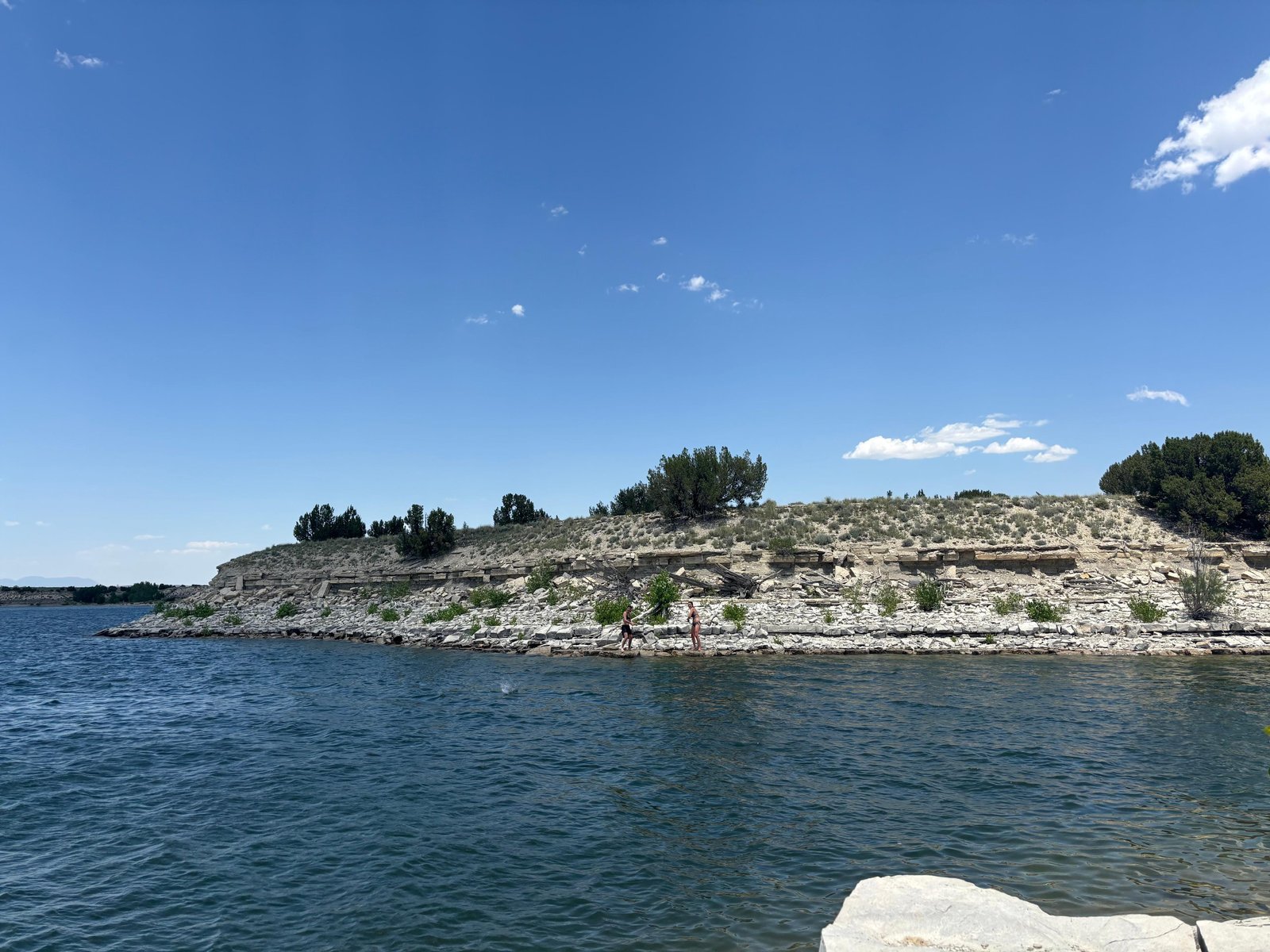
The reservoir is held back by Pueblo Dam, a buttress concrete dam 250 feet tall and 10,230 feet long that the Bureau of Reclamation built across the Arkansas River between 1970 and 1975. Lake Pueblo State Park surrounds the water on 10,279 acres with 60 miles of shoreline, managed by Colorado Parks and Wildlife. Nothing about that landscape is flat or simple. Roads, campgrounds, restrooms and shelters share terrain with steep slopes, rock and wind, and every building has to take them into account.
Water supply keeps the area busy. The Arkansas Valley Conduit, a 230 mile pipeline running from Pueblo Reservoir to Lamar and Eads and serving communities, broke ground on October 3, 2020 at Pueblo Dam, at an estimated cost of $564 million to $610 million. We do not claim that pipeline, but a project of that size brings pump stations, access roads, laydown yards and connection work, and the government and public sector owners behind it need contractors who can handle the buildings and site work around it.
Buildings, utilities and site work for public lands
On public recreation land the buildings are modest and the site work is not. A restroom block, a ranger station or a picnic shelter may be 1,500 square feet, but it needs water, sewer or a vault system, power, a road and parking that hold up to heavy summer traffic. We build them as complete packages: grading, utilities, foundation, structure, finishes and landscaping, tied to the owner's standard details. Maintenance and storage buildings are often pre-engineered metal buildings, which go up fast on a prepared pad and keep cost down for agencies with tight budgets.
Utility and drainage work is the other half, and the trade partner team for site development and utilities runs water, sewer and power extensions into remote pads. The trade partners for stormwater and drainage build swales, culverts and detention areas that keep runoff from eroding slopes and reaching the water. Where the program involves a pump or control building, we pair structure and equipment installation and coordinate with the district or agency that will run it.
Federal, state and district ground
The owner of the land decides the process. A Bureau of Reclamation facility, a state park and a water district each have their own review steps, access rules and insurance requirements. Staging areas may be limited to places the agency designates, and work near the dam can involve security screening and restricted hours. We ask these questions before pricing, not after award, because access limits and screening can add days of lost time to a crew that is not prepared for them. A sheet of site rules from the owner is worth reading line by line.
Environmental conditions also matter. Work close to the shoreline has erosion, stormwater and habitat rules that the agency will enforce. We plan erosion control before grading starts, schedule disturbance outside sensitive periods when asked, and keep a log of inspections. Doing it right the first time is cheaper than a stop-work order.
Reaching the west side from Pueblo
The lake is about seven miles west of downtown, close enough that crews and equipment can come from our Pueblo base each day. That keeps travel, lodging and mobilization costs low compared with remote jobs. Concrete and aggregate suppliers are close, and short haul distances help on concrete that must be placed within a time limit.
The same service area includes Pueblo West, and the foothill communities such as Beulah along the way to the mountains. The construction trade partners can move between sites without a long haul, which suits owners with several small projects spread around the area.
Working near water and on steep ground
Slopes, water and wind are the three hazards that define this area. Excavations near the water table need dewatering and shoring plans. Work above the shoreline needs fall protection, edge protection and a plan for crews that are working near open water. Crane work in wind is checked against the manufacturer's limits every morning, not just when conditions look bad.
Public use adds to the risk. Visitors do not stop for a construction sign. We fence work areas, provide safe detours and post signs far enough ahead that a boat trailer or camper has room to turn around. In busy seasons we limit deliveries to hours that avoid peak traffic.
What drives price on a lakeside job
Rock, slope and distance from utilities drive more cost than the building itself. A site that needs blasting, a long sewer extension or a retaining wall can take a large share of the site budget. We run a site investigation and utility check in preconstruction and give owners a range with the unknowns labeled. Our mass grading estimates separate cut, fill and rock lines so you can see where the risk sits.
Public work also carries prevailing wage, bonding and reporting costs that small private projects do not. We include them in the price from the start, along with the cost of seasonal shutdowns. An honest range is more useful to an agency than a low number that grows after award.
Building near the reservoir?
Tell us who owns the ground and what you need built. We will outline the permits, access limits and a realistic range.
Questions Owners Ask
Do you build visitor facilities in state parks?
We build the kind of structures a park needs: restroom buildings, shelters, storage and maintenance buildings, along with the roads, parking and utilities that serve them. The agency supplies its design standards and we build to them. Early coordination on permits and access keeps the project on track.
What permits apply near the reservoir?
It depends on who owns the ground and what you build. Federal, state and local reviews can all be involved, along with stormwater and erosion control requirements. We map the approvals during preconstruction so the schedule shows when each one is needed.
Can you work during the busy summer season?
Usually, with restrictions. Agencies often limit deliveries and noisy work during peak weekends, and some areas close to the public only in the off-season. We plan the schedule around those limits and keep visitors safe with detours and fencing.
How do you control erosion near the water?
We install silt fence, wattles and stabilized entrances before grading, and reseed or stabilize slopes as soon as work finishes. Inspections are logged after storms. Because the shoreline is public, any failure is visible quickly, so we do not leave it for the end.
Will the conduit project create work for local contractors?
A project of that size tends to generate related work, such as access roads, buildings and connections, but we cannot promise specific scopes. If an agency or district asks for pricing on related site or building work, we will bid it straight. Contact us early if you are planning around that corridor.