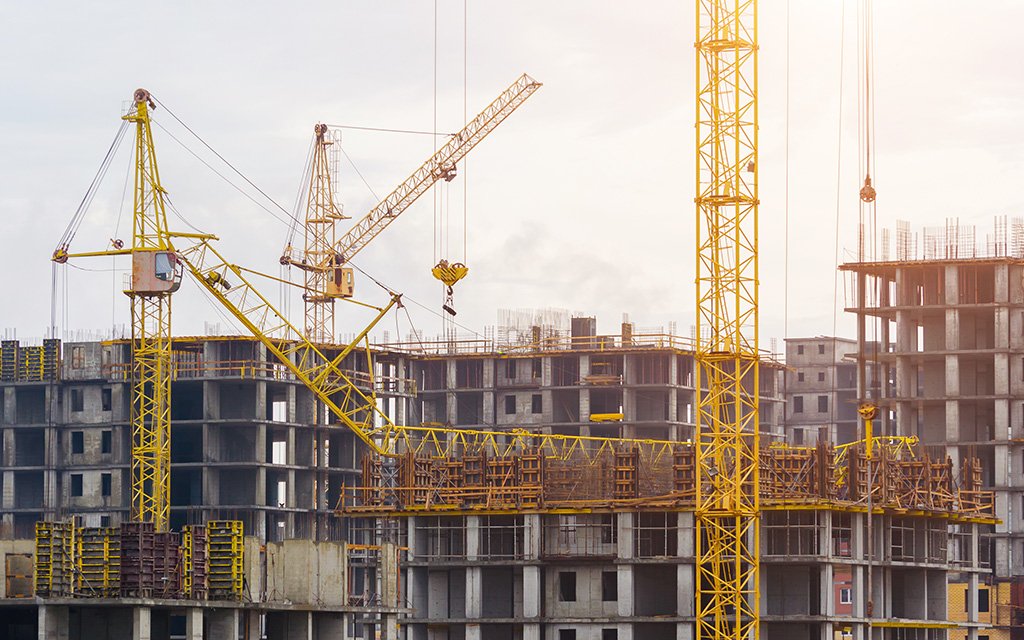
Construction on Union Avenue in Downtown Pueblo
Renovation and adaptive reuse in Pueblo's Union Avenue district: old masonry, flood history, code compliance and honest pricing for hidden conditions.
- Category
- Service Areas
- Area
- Pueblo and southern Colorado
- Next Step
- Request a Project Review
Renovating an 1880s storefront on Union Avenue is a different job from renovating a 1990s office, and the contract should say so. The Union Avenue Historic Commercial District covers 27 acres of downtown Pueblo with 69 contributing properties, including Union Depot, the Vail Hotel and the Quaker Flour Mill, many of them built in the 1880s. We work on buildings like these for owners who want upper floors back in use, ground-floor tenants who need a working kitchen or a code-compliant restroom and developers turning old warehouse space into apartments or offices.
Old masonry buildings reward careful work and punish assumptions. Brick walls that look sound can hide failed mortar joints, a floor system that was cut for a long-gone stair or wiring from three different eras. Our estimates for this district carry a stated allowance for hidden conditions, and we open up walls and ceilings during estimating wherever the owner allows.
Downtown is also a place where neighbors are close, sidewalks are public and deliveries have to be planned a day ahead. We treat the street as part of the jobsite and plan it that way, with a pedestrian route, a delivery window and a name the neighbors can call.
Flood history and the ground under downtown
The 1921 flood, the largest in Pueblo's history, sent water as deep as 18 feet through downtown and devastated the Union Avenue district, after which the Arkansas River was rerouted. A building that survived that event may have fill, patched foundations or basement spaces that were altered after the water went down. We check basements and below-grade walls before any new use is put there, and we ask for a geotechnical report when a project adds load.
Union Depot, built in 1889 and 1890 at Victoria Avenue and B Street, sits on tracks shared by Union Pacific and BNSF. Regular passenger service has ended, though proposals include Front Range Passenger Rail and a possible Amtrak Southwest Chief stop. Nearby owners should expect train noise and vibration, and we design wall assemblies, windows and equipment mounting with that in mind.
Codes for old buildings
The Pueblo Regional Building Department lists the 2021 IBC, IEBC, IECC, IMC, IFGC and IFC as currently in effect, along with the 2023 National Electrical Code and the Colorado Plumbing Code based on the 2021 IPC. The existing building code is the one that matters most downtown. It sets how much of an old structure must be brought up to current standards when you change its use, add a floor or repair damage.
The Pueblo County Building Division lists the 2021 ICC codes and the 2023 NEC as enforced and links its Title 15 amendments. The city says commercial approvals currently take about 75 days, and we use that figure when we build a schedule, then add time for any historic review that applies to the exterior. We ask the city early whether your building falls under such review so that it does not appear halfway through design.
What we do on Union Avenue
Typical scopes include structural repair, masonry repointing, new openings, mechanical and electrical replacement, fire sprinkler additions, accessibility upgrades and interior build-out. For buildings with several stories, we often install a new elevator and stair to make upper floors usable, which can be the largest single cost and the longest lead item.
Residential conversions are a growing request. Our mixed-use construction service covers retail below and apartments above, and the multifamily and mixed-use page shows how we handle separation walls, sound control and fire protection in those buildings.
Where the money goes
The city lists an average commercial price of $78.80 per square foot in the Downtown Opportunity Zone. That figure is a market average, not a construction budget, and the cost of rehabilitating an old building can sit well above or below it depending on condition. We do not quote a per-square-foot number for restoration until we have seen the structure.
Structure, life safety and utilities usually dominate. Fire sprinklers, a new electrical service, a new elevator and a structural fix to a failing floor can total more than finishes. We rank the work for the owner by what must be done now and what can wait, and we price each phase separately so the project can start with the part that makes the building usable.
Working beside the public
Downtown work puts the public within feet of the construction. We build covered walkways when overhead work is in progress, fence the work area, protect adjacent storefronts and keep a flagger on the street when trucks back in. Dust control is strict, since old plaster and brick dust is a concern for neighbors and for the crews on site.
Older buildings may contain lead paint or asbestos-containing materials. We recommend testing before demolition or disturbance, and we follow the abatement plan the testing results require. Skipping that step is never worth the saved time.
Services we pair with historic work
Most Union Avenue jobs combine renovation and adaptive reuse with some selective demolition, since the first task is often removing a later addition or failed interior without damaging the original masonry. Owners who manage several downtown buildings can put them under one standing arrangement, the way property management firms usually do, so each repair does not restart the bidding process.
Downtown is only one part of the Pueblo market. Owners looking at retail and mall-area space can compare it with our Pueblo Mall corridor page, and our general Pueblo page covers the wider city.
Have a downtown building in mind
Send us the address and what you want it to become. We will walk the building and tell you where the risks are before we talk price.
Questions Owners Ask
Do I need special approval to change a building in the historic district?
Possibly. A building in a historic district may be subject to review of exterior changes, and the requirements depend on the building's status and the work proposed. We ask the city at the start of design what review applies, and we build the time into the schedule.
How long do commercial approvals take downtown?
The city says commercial approvals currently take about 75 days. We use that as a planning figure, then add time for design revisions, resubmittals and any historic review. A complete submittal is the best way to shorten the process.
What are the biggest unknowns in an 1880s building?
Structure and utilities. Floor framing can be altered or decayed, masonry can need repointing and wiring or plumbing may have been added piecemeal. We open up representative areas during estimating and carry an allowance for the rest.
Can we keep the building occupied during renovation?
Sometimes. It depends on the extent of the work, the egress and the tenants. We phase work to isolate the occupied area and plan shutdowns for nights and weekends, and we price the added protection separately.
Is the flood history a concern for new work?
It is a reason to look carefully at basements, drainage and foundations. The 1921 flood reached as deep as 18 feet downtown, and the river was rerouted afterward. We check below-grade conditions and design drainage and waterproofing for the specific building.