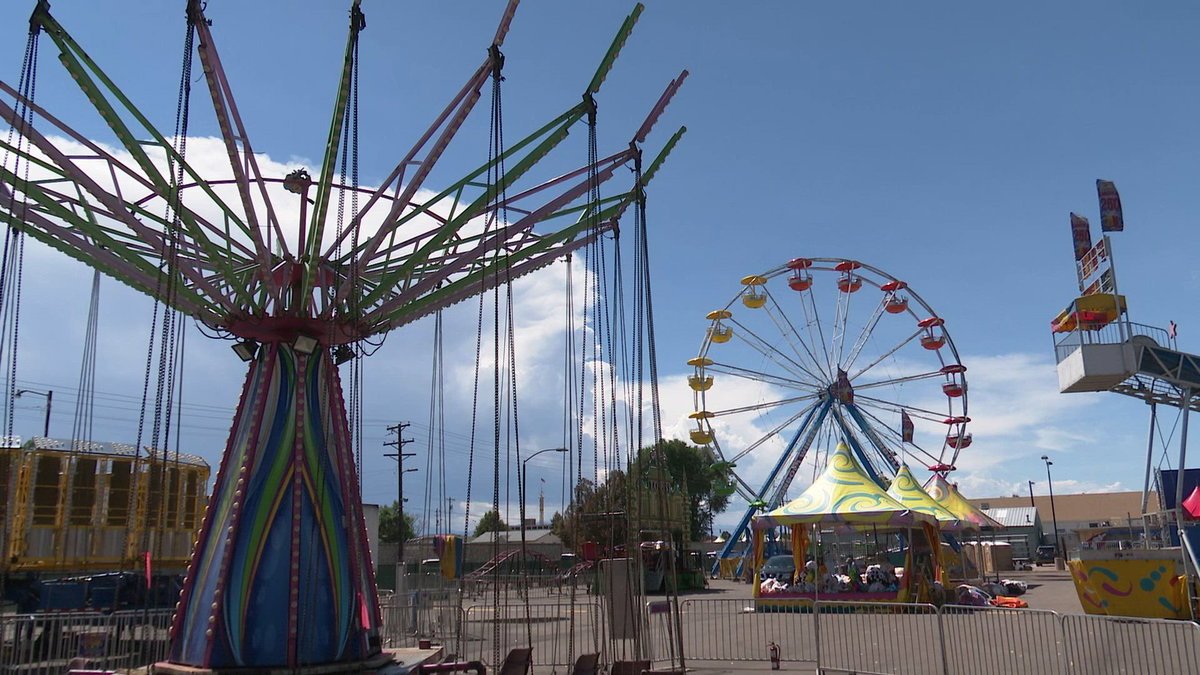
Construction at the Colorado State Fair Grounds
Repairs, additions and new buildings at the Colorado State Fair grounds in Pueblo: building between events, public-owner paperwork and tight-budget phasing.
- Category
- Service Areas
- Area
- Pueblo and southern Colorado
- Next Step
- Request a Project Review
Fair dates set the calendar for any building work on the fairgrounds, and a contractor who plans around them saves the owner more than one who tries to hurry past them. The Colorado State Fair is at 1001 Beulah Avenue in Pueblo, and it is scheduled August 27 to September 6, 2027, according to the fair's own site. The grounds also host year-round events, such as a Holiday Bazaar, so the buildings are in use more often than the fair alone suggests. That leaves narrower windows for construction than most owners expect.
The fair is a division of the Colorado Department of Agriculture, which makes the owner a state agency. We build for public owners under their procurement rules, and we write our proposals, schedules and closeout documents to match what the agency asks for. A venue like this has barns, exhibit halls, a grandstand, restrooms, parking and utilities, and each one has its own repair story.
It is also a place where money is tight. A 2019 state audit found the fair lost money 21 years in a row, with deficits averaging $4 million per year from 2014 to 2018. We take that seriously. An owner in that position needs repairs sorted by urgency and prices that do not drift.
Building between events
We start with the event calendar. Construction that cannot be done in the weeks around the fair is moved to the months after it, and noisy or dusty work is kept away from event days. For a roof replacement on an exhibit building, for example, the work should end well before setup for the next event, with time left for inspection and punch list.
Where a building must be available for a booking, we phase the work so part of it remains usable. Phased construction in occupied sites is routine for us, and on a fairground it means temporary barriers, signage for the public and clear paths for vendors and animals.
Older buildings and large crowds
A fairground is a crowd venue, so egress, accessibility and fire protection get close attention. Old exhibit buildings often predate current standards, and a repair can trigger upgrades. We review that with the building department before design is final so the owner knows the full scope.
Animal buildings add their own needs: drainage, washable surfaces, ventilation and floors that are safe for hooves and equipment. Open-air spaces take wind and weather, and exposed steel and wood need regular maintenance. We write maintenance notes into the closeout package so staff know what to inspect and when.
Utilities need a hard look too. Water, power and sewer that serve a few hundred people on an ordinary week must serve many thousands during the fair. We map the existing lines, note where capacity is limited and include temporary service plans for vendors in the scope, so a repair does not leave the grounds short of power on opening day.
Spending carefully
With limited funds, the best path is a priority list. Life safety and weather protection come first, then systems that fail often, then upgrades that raise revenue. We help an owner build that list with rough costs, then price the top items firmly.
Large paved and gravel areas for parking can consume a surprising share of a budget. The trade partners for parking lot construction can reconstruct, patch and restripe in stages, so event parking is available when needed. Reusing existing structures and finishing in phases usually stretches a limited budget further than a single large project. We also point out maintenance items that cost little now and a lot later, such as flashing, gutters and drainage, so small leaks are fixed before they become roof replacements.
Public-owner paperwork, done properly
State work comes with forms, approvals, reporting and audits. We prepare schedules of values, certified payrolls where required, submittals and as-built documents in the format requested, and we keep them current month to month. The goal is simple: when an auditor or a manager asks what was spent, the file answers the question.
Our page on government and public sector work describes how we handle procurement. A conversation that starts early lets the agency choose between bidding a finished design and bringing us in as a design-build or construction management partner.
Buildings on the grounds
Exhibit halls and barns are often large clear-span buildings, and a pre-engineered metal building can be an economical way to add or replace one. It goes up quickly and can be insulated for year-round use if the owner wants to book winter events.
Offices, restrooms, concession buildings and maintenance shops are smaller, but they carry utilities and public traffic. These fall under government and municipal buildings, and we plan them with durable finishes that can take heavy use and frequent cleaning.
Codes and review in the city
The Pueblo Regional Building Department lists the 2021 IBC, IEBC, IECC, IMC, IFGC and IFC as currently in effect, along with the 2023 National Electrical Code and the Colorado Plumbing Code (2021 IPC). Repairs to older buildings fall mostly under the existing building code, which sets how much upgrading a repair requires.
We confirm with the department whether a state-owned property follows the city's plan review or a separate state process, because the answer changes who we send drawings to and how long review takes. Owners comparing nearby sites can look at our Union Avenue district page, and the general Pueblo page covers the wider city.
Planning work around the fair
Send us the building list and your event calendar. We will propose a phased plan with firm prices on the first items.
Questions Owners Ask
When is the best time to do construction on the fairgrounds?
Usually the months after the fair, before the holiday and winter events begin, and the early spring. The fair is scheduled August 27 to September 6, 2027, and other events run through the year. We start with the event calendar and place each job in the gap that fits it.
Can work happen while an event is booked?
Sometimes. We can isolate the work area, schedule noisy tasks outside event hours and keep paths open for the public. Larger structural jobs are better placed between events.
How do you work within a tight budget?
We build a priority list with rough costs, price the top items firmly and phase the rest. Safety and weather protection come first. Phasing lets the owner spend as funds arrive without leaving a building half finished.
Does a state-owned property follow city codes?
We confirm that with the building department and the agency before design starts. The answer decides which office reviews plans and what the schedule looks like.
Can a metal building replace an old barn or exhibit hall?
Often yes. A pre-engineered building is quick and economical for large open spaces, but the site, the owner's needs and any historic or agency review will decide. We compare it with repair before recommending either.