
Construction for Manufacturers in Pueblo
General contractor for Pueblo manufacturers: new plants, expansions and process renovations with steel, floors and utilities planned around production.
- Category
- Industries We Serve
- Area
- Pueblo and southern Colorado
- Next Step
- Request a Project Review
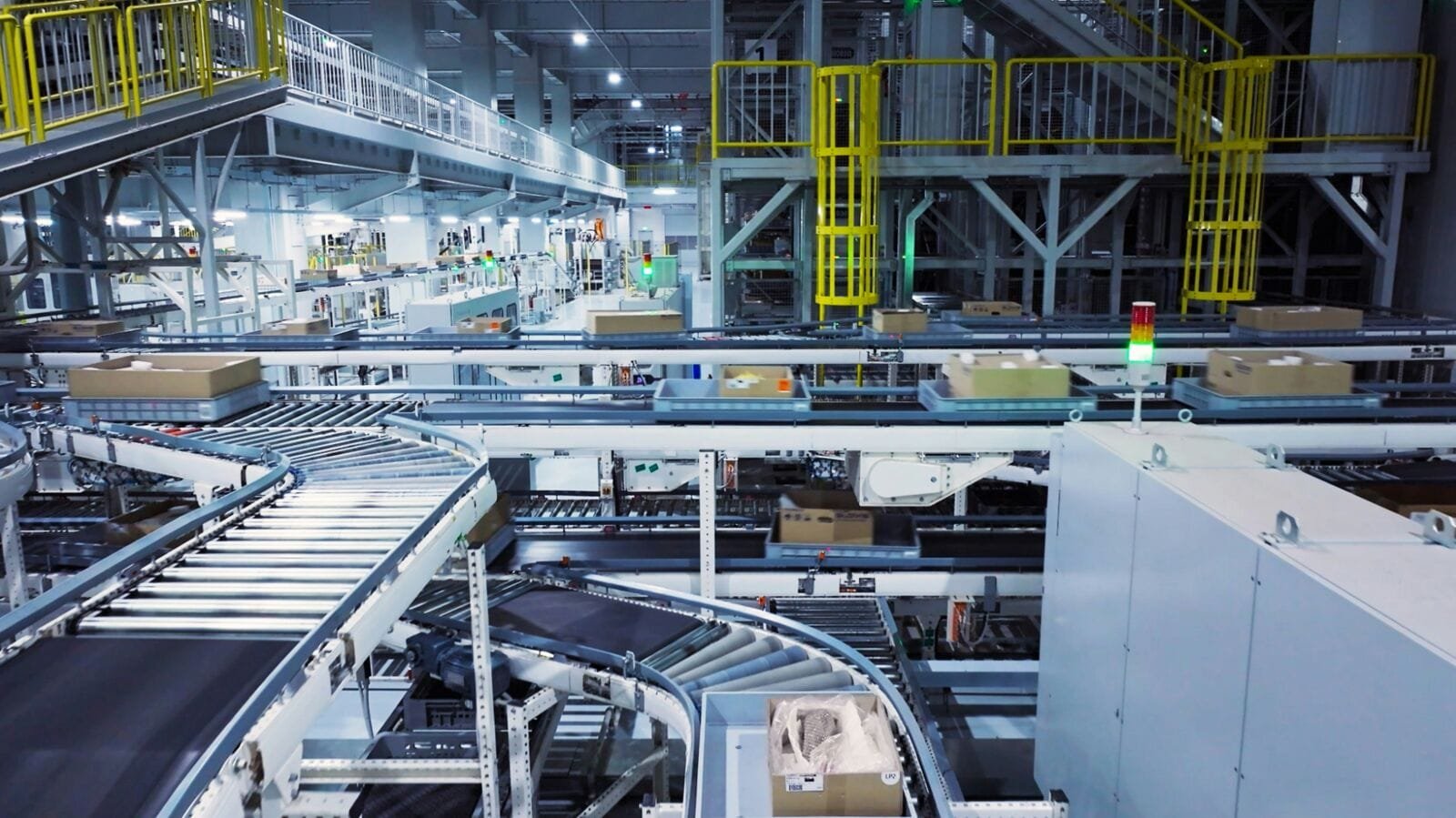
The Pueblo rail mill can roll rails up to 480 feet long, up from an earlier 80 foot limit. That one fact says a lot about what manufacturing construction means here: long, heavy, continuous and unforgiving of poor tolerances. Steel has been made on the south side of town since April 12, 1881, and the electric-furnace, rail, rod, bar and seamless tube mills still run. We build and renovate for manufacturers who need production to keep moving while the building changes around it.
Factories are not offices with taller walls. Floor flatness, crane loads, process utilities, drainage and equipment access decide how a plant works, and they are set at the start, not at the finish. We spend more time on those items than most contractors, because they are the ones an owner cannot fix after the equipment arrives.
Our manufacturing facility construction work covers new plants, expansions, process area renovations and support buildings, delivered with a schedule your production and maintenance teams can plan around.
New plants, expansions and process rooms
A new plant starts with site and utilities: heavy power service, water, process drainage, compressed air, gas and truck access. Expansions add the problem of tying into an operating building. Process room renovations call for isolation, confined access and strict cleanliness. We write a scope sheet for each, with owner-supplied equipment, installation responsibilities and tie-in dates, so nobody is guessing at hand-off points.
The reference points in this region are large. Vestas built a wind turbine tower plant of nearly 700,000 square feet in a Pueblo industrial park and sold it to CS Wind in 2021. CS Wind broke ground on April 4, 2023 on a 900,000 square foot expansion aimed at about 10,000 tower sections a year and at least 850 new jobs. See our wind tower plant area page for what building next to that scale involves.
Steel, concrete and floors we manage closely
Heavy plants run on three things we care about: steel, concrete and floors. Structural steel erection for crane runways, mezzanines and equipment platforms needs surveyed anchor bolts and tight tolerances on column placement. Bolt layouts are set from the survey, checked twice and verified before the steel arrives, because a misplaced bolt group means drilling and epoxy work after the fact.
Slabs matter just as much, and an owner who skips the slab review often pays for it in forklift damage and equipment that will not hold level. Commercial concrete floors for forklift traffic, heavy equipment and chemical exposure are designed for a specific load, flatness and joint layout. We coordinate with the equipment vendor on pits, trenches and embedded items before the pour, and we schedule the pours in a sequence that keeps curing conditions consistent through a Pueblo winter. Joint spacing and saw-cut timing are decided before the truck arrives, not after the first crack.
Heavy industry and the new defense and rail campus
The south side steel mill is one part of the picture, and PuebloPlex is another. A 1,111 acre parcel of the former Pueblo Army Depot became PuebloPlex property on September 24, 2025, with plans for manufacturing, technology, logistics, rail-related industry, aerospace and defense, and research and development. Voyager Technologies is building a 150,000 square foot complex there for solid rocket motors and propulsion, with completion targeted for the end of 2026 and a Pueblo contractor leading construction.
We pay attention to these projects because they pull on the same trades and suppliers. A busy industrial year can tighten electricians, ironworkers and concrete finishers. We lock in subcontractors early and tell owners when the market is tight. Scheduling a crane, a concrete plant or a steel fabricator around other big jobs is part of the plan, not a surprise in month three. Our PuebloPlex page covers that campus.
Keeping a plant running through construction
An operating plant has shutdown windows, not open calendars. We map them with your maintenance leads and build the schedule around planned outages. Tie-ins to power, gas, water and process piping are staged so that the longest outage fits inside a scheduled shutdown, with a rollback plan if it does not.
The cautionary example nearby is the rail mill. News reports describe a January 3, 2023 decision to end employment of 666 contract workers after a lawsuit citing delays, cost and damages above $130 million. We do not take sides in a dispute we only know from news. We take the lesson that scope definition, schedule agreements and change handling need to be settled early and written clearly.
Permitting an industrial building
Industrial permits combine building review with process and environmental questions. The Pueblo Regional Building Department lists the 2021 I-codes as in effect for the city, and Pueblo County's division enforces the 2021 ICC codes and 2023 NEC. State energy law, HB22-1362, adds energy code requirements wherever a local government updated its code after July 1, 2023. We confirm the path with each agency and ask about air, stormwater and fire department requirements before drawings are finalized.
Spec industrial buildings follow a simpler route than process plants. If you are building for a tenant not yet signed, our developer team can help you size the shell. If your product leaves by truck or rail, logistics and distribution planning belongs in the same conversation, and the manufacturing plant page lists what we look at.
Bring us the process and the shutdown calendar
Send us the equipment list, the floor plan and the dates your plant can accept an outage. We will return a scope, budget range and a phased schedule that protects production.
Questions Owners Ask
How do you build next to or inside a running plant?
We set up separate work zones, traffic routes and safety rules, and we coordinate with your operations team. Tie-ins and noisy tasks go into shutdown windows. Daily huddles and weekly lookahead schedules keep production and construction informed about each other.
What should I decide before the building design is finished?
Crane capacity, floor load and flatness, process utility sizes, drainage and the expansion path. Changing any of these after concrete is poured is expensive. We hold a decision list in preconstruction and review it with your engineers.
Can you work with owner-supplied equipment?
Yes. We prepare foundations, power, utilities and access, then coordinate delivery and rigging with your vendor. We verify the equipment drawings and bolt layouts before concrete goes in.
How should I handle the risk of a tight trades market?
Commit early on key subcontractors, buy long-lead items sooner and keep the schedule realistic. We tell you when we see wage or availability pressure, and we show the effect on cost in the budget.
What does a metal building cost compared to a conventional plant?
It depends on the loads, spans and finishes. Pre-engineered systems often cost less for simple shells and are quick to erect, while heavy process plants may need conventional framing. We price both if your use allows and show the difference.