
Renovation and Adaptive Reuse Construction in Boone, Colorado
Repair, conversion and small additions for older town buildings in Boone, with grant timing and a small-town budget handled plainly.
- Category
- Service Areas
- Area
- Pueblo and southern Colorado
- Next Step
- Request a Project Review
Some places do not need new buildings; they need the old ones to work again. That is the approach we bring to Boone, where a small town on the Arkansas River has to stretch every dollar and where repair, conversion and careful additions usually beat ground-up construction. We tell owners plainly which jobs make sense, and we say so when one does not.
Boone is a statutory town of 0.388 square miles with 305 residents in 2020, at 4,465 feet elevation, along the river about 21 miles southeast of Pueblo. US 50 runs concurrent with State Highway 96 until just before Boone, where the SH 96 table lists the junction with State Highway 209 at about mile 75. That gives the town road access in several directions, though not much through-traffic that would draw big commercial projects.
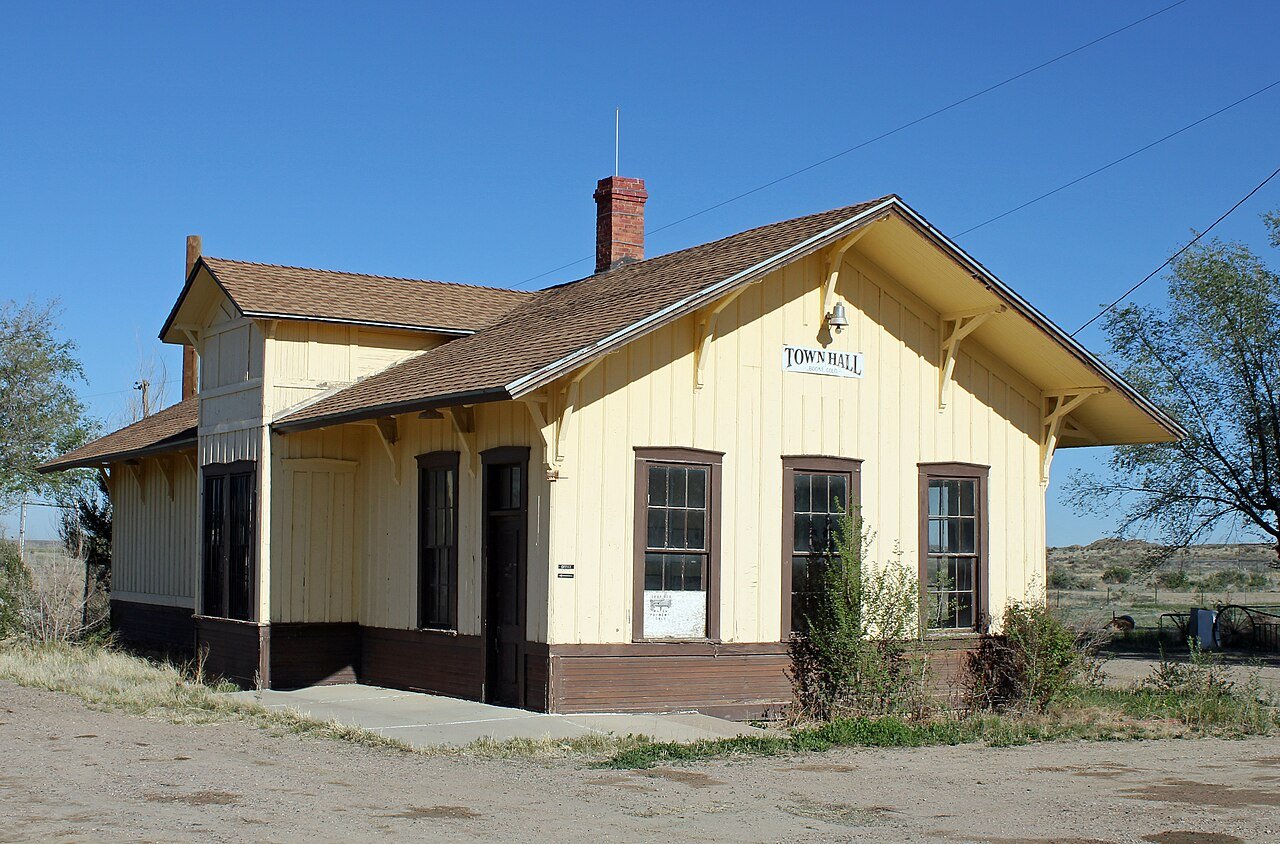
The numbers explain a lot. Boone's population fell from 548 in 1960 to 305 in 2020, and its elementary school closed in 1987. Towns that shrink keep their buildings and lose the tax base that maintained them. A community in that position often has a school, a hall or a store with sound walls and a worn-out interior, and our renovation and adaptive reuse work is designed for exactly that: assess what is solid, fix what is not and avoid paying for what is not needed.
Start with the building you have
A first visit to an existing building answers most questions. We check the roof, the structure, the mechanical and electrical systems and the envelope, then list the work in order of urgency. A leaking roof comes before a new floor, and an unsafe electrical panel comes before a fresh coat of paint. The list becomes a phased plan the owner can fund over time.
We also ask about use. A building that served as a school may become a community center, offices, storage or a small business incubator. Each use has code consequences, such as egress, accessibility, fire protection and occupancy classification. We explain those consequences before any money is spent, so the owner chooses a use the building can support at a realistic price.
What a town of 300 can support
Small towns build in small increments: a new roof on the town hall, a bay added to the maintenance shed, a pavilion in the park, a water or sewer upgrade. These projects are modest, but they matter, and they must be done well because there is little margin for error. They are also where local pride shows.
Funding tends to come in pieces: local budgets, state grants, federal programs and sometimes private donations. We help owners match project phases to funding cycles, keep records that satisfy grant requirements and avoid starting more than the money covers. Neighboring communities such as Avondale and the larger metro around Pueblo sit in the same position, and the same planning habits apply in each.
Repairs, conversions and small additions
Typical jobs include roof replacement, window and door upgrades, accessibility improvements, restroom additions, HVAC replacement, new floors and interior remodels. Conversions turn a school classroom wing into offices or a community hall, or an old storefront into a clinic or shop. Small additions add a meeting room or a storage bay.
When a building is beyond saving, selective demolition and removal is the sensible answer. We handle surveys for hazardous materials, utility disconnection, removal and site restoration. Clearing a derelict building can reduce liability and open the lot for something new. We price demolition separately so owners can see the choice between repair and removal, and we look at what can be salvaged, such as steel, brick and fixtures, to offset some of the cost.
Interiors, tenants and public buildings
When a building is ready for a new user, tenant improvements turn a shell into a usable space with partitions, finishes, lighting and mechanical work that match the tenant's needs. A small clinic, an office or a retail shop can often fit in a former classroom or storefront.
For buildings that return to community use, the standards are those of a school or a public building. Our education institutions experience with safety, accessibility and durable finishes carries over to community centers, even when the building no longer houses a school. The same care goes into the details people touch every day, like door hardware, restroom fixtures and flooring.
Making a small budget go further
The best savings in a small project come from planning, not from cutting quality. Fix the envelope first so water does not undo the rest. Keep layouts simple. Standardize doors, windows and fixtures. Use materials that last and need little maintenance. A cheap finish that fails in five years costs more than a better one that lasts twenty.
We show owners three numbers on every proposal: the base price, the allowance for hidden conditions and the optional items they can add later. That way the town board knows what it must fund today and what can wait. When we find a surprise, we explain it and the cost before we proceed, because nobody in a town this size should be surprised by a change order.
Have a building to save?
Tell us what the building is and what it needs to be. We will inspect it and give you a plain list of work and costs.
Questions Owners Ask
Is it cheaper to renovate an old building or build new?
Renovation is cheaper when the structure and foundation are sound and the layout can work for the new use. It stops being cheaper when the systems all need to be replaced and the building cannot meet code without major changes. We survey and price both so the answer rests on numbers.
What can we do with a building that has been vacant for years?
The first step is an inspection to find structural, roof and moisture problems. Then we match possible uses to what the building can support, such as offices, community space or storage. A vacant building usually has more repair needs than an occupied one, so a careful survey pays off.
Do you take on very small jobs?
Yes. Small repairs and conversions are part of what we do, and we price them fairly. For the smallest projects, a site visit and a written scope are enough to start, and we often combine several small tasks to save on travel.
How do grants affect the schedule?
Grant awards often set deadlines for starting and finishing, and funds may be released in stages. We plan the work to fit those dates and keep the records funders ask for. Telling us about the grant at the beginning allows us to avoid problems later.
Do you work this far from Pueblo?
Yes, Boone is about 21 miles from Pueblo and within our normal service area. Travel adds a small cost that we show separately. We combine visits and use local help where it makes sense.