
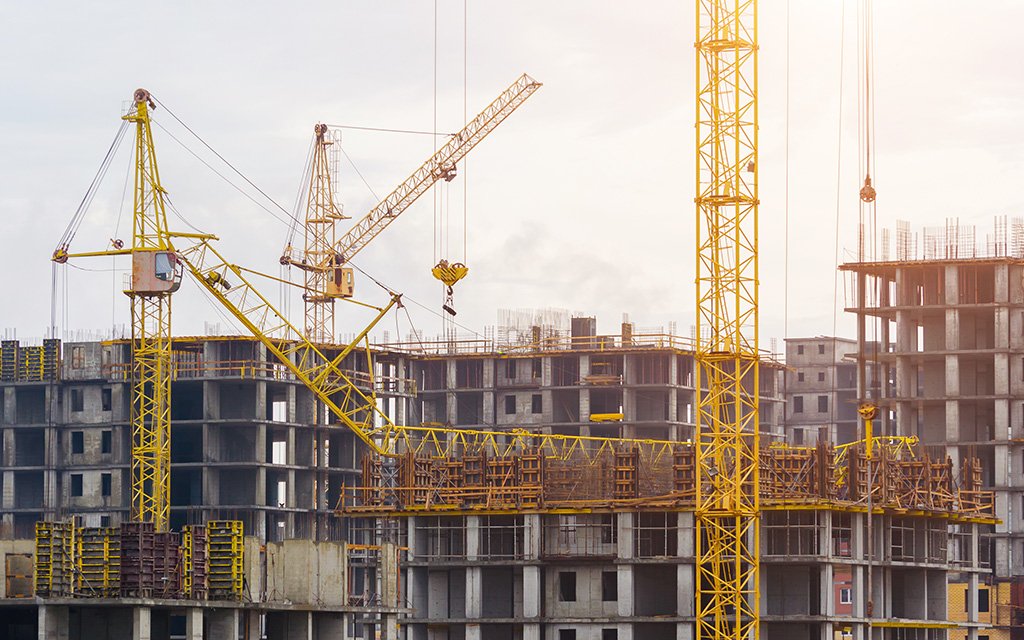
School and Education Facility Construction in Pueblo
School and campus construction in Pueblo: classrooms, labs, residence halls and renovations built to the academic calendar for districts and colleges.
- Category
- Building Types
- Area
- Pueblo and southern Colorado
- Next Step
- Request a Project Review
School construction runs on the academic calendar, and the calendar does not move. A classroom wing that is supposed to open in August opens in August or the district has a problem with portable classrooms, bus routes and a lot of parents. We plan school and campus projects backward from the first day of class, and we build in the slack that weather, inspections and long-lead equipment always require.
The education market in the Pueblo area is a mix of a four-year university, community college satellites and small-town school buildings. Colorado State University Pueblo had fall 2024 enrollment of 3,730, including 3,228 undergraduates and 372 faculty, on a campus of about 275 acres in the Belmont area of northern Pueblo. Trinidad State College serves Trinidad, and CSU Pueblo has a satellite campus in Walsenburg. Each needs a different kind of builder: a campus-scale owner with a master plan, a college with a tight budget, a rural district that wants a building that lasts.
We build classrooms, labs, gyms, cafeterias, student centers, residence halls, libraries and maintenance buildings. We work for public districts and colleges through competitive bidding and construction manager delivery, and we explain the options plainly. Our education facility construction service lays out how each one works.
Campuses we know and campuses we could build
CSU Pueblo added a 1.2 megawatt solar array and three residence halls in 2011, completed a LEED Platinum renovation of its Library and Academic Resources Center and opened a renovated Occhiato Student Center in January 2018. The city's annual financial report lists CSU Pueblo at 1,500 employees, fourth among local employers. That history tells us what the campus values: energy performance, student housing and public gathering space. Our CSU Pueblo page goes into more detail.
Outside the city, school buildings are a different story. Boone's elementary school closed in 1987 as its population fell from 548 in 1960 to 305 in 2020, and the Avondale area is zoned to Avondale Elementary, Vineland Middle and Pueblo County High. Small communities keep their buildings a long time, so renovation, roof replacement and mechanical upgrades often matter more than new construction. We serve Trinidad and Walsenburg campuses as well as the metro.
Building to the first day of class
Summer work windows are short, so we split a school job into phases that can be finished and handed back. Roof replacement, flooring, fire alarm work and mechanical changes are the kinds of project that fit between the last day of school and the first. We pre-order materials, set up crews in advance and keep a daily schedule on site.
A new building on an occupied campus is a different challenge. Construction traffic and student traffic have to be kept apart, fences go up, and the school has to continue running. We schedule deliveries outside drop-off and pick-up times, build temporary walkways and brief the principal every week. When we work with a university, we also coordinate around move-in, finals and football-weekend traffic.
What a school project includes
Classrooms, corridors, restrooms, offices, a gym or commons, a cafeteria kitchen and a secure entry are the core of a school building. Labs add fume hoods, gas piping and specialty casework. Gyms and auditoriums add large clear spans and acoustic treatment. Each piece has a code and design standard, and we coordinate the details early with the district, architect and user groups.
Higher education adds residence halls, dining, recreation and research space. We build student housing as repetitive units with strict fire and life-safety requirements, and we have the production approach needed to build them quickly. Large campuses also need parking structures and surface lots, which we handle as separate packages.
Keeping children and students safe near a job site
Safety on a school site includes background checks for workers where the district requires them, strict separation of the work zone from students, and daily site cleanup so no tools or debris are left in play areas. We hold a pre-construction meeting with school staff to review fences, gates and emergency procedures.
The building itself is part of safety. New schools include secure vestibules, controlled access, cameras, emergency communication systems and fire protection designed with local fire officials. Existing buildings may need accessibility upgrades, asbestos abatement and mechanical ventilation work when systems are replaced. We verify the condition of old materials before demolition begins, and we use renovation experience to keep surprises small.
Public money and how it shapes the budget
School budgets come from bonds, state grants, capital reserves or gifts, and each source has timing and reporting requirements. A district that passes a bond needs to know what the money will build, in what order, with what contingency. We provide early cost models and keep the budget updated as the design moves, so there is no end-of-design shock.
The big cost drivers are building size, structural system, mechanical system type, site conditions, security features and the finish level. Energy features can add first cost and reduce operating cost, which matters when a district owns the building for many years. Public buyers can read more under our education institutions page, and city and county work falls under government and municipal construction.
Give us the calendar first
Tell us the date the building has to open, how you are funding the job and which delivery method your board prefers, and we will return a schedule and a budget that match.
Questions Owners Ask
How do we pick between bid and construction manager delivery?
Competitive bidding works well when the design is complete and the budget is firm. A construction manager approach brings the builder in early, which helps when the design is still moving or the site is occupied. We can work either way and will walk your board through the trade-offs before they vote.
Can you renovate a school over the summer?
Many projects fit if scope is realistic. Roof, flooring, lighting and some mechanical work are common summer jobs. Anything with long-lead equipment needs to be ordered in the winter. We build the schedule with fallback dates in case materials arrive late.
What does a university want from a contractor?
Predictability, safety and communication. Campus projects affect many users, so we provide regular reports, coordinate with facilities staff and keep traffic and noise under control. A campus with a record of energy work, such as solar and LEED renovations, also expects a contractor who understands those systems.
How do you handle small rural schools?
We price the extra travel and material hauls honestly and staff the job so it does not stall. Rural districts usually have small facilities teams, so we help with documents, submittals and inspections. A smaller job does not need a smaller standard.
Do solar and energy upgrades pay back on a school?
Sometimes. A campus that owns its building for the long haul can recover the first cost through lower operating bills, and CSU Pueblo's 1.2 megawatt array is a local example of that thinking. We price the options side by side and show the district what each one adds to the construction budget, so the board can decide with real figures.