
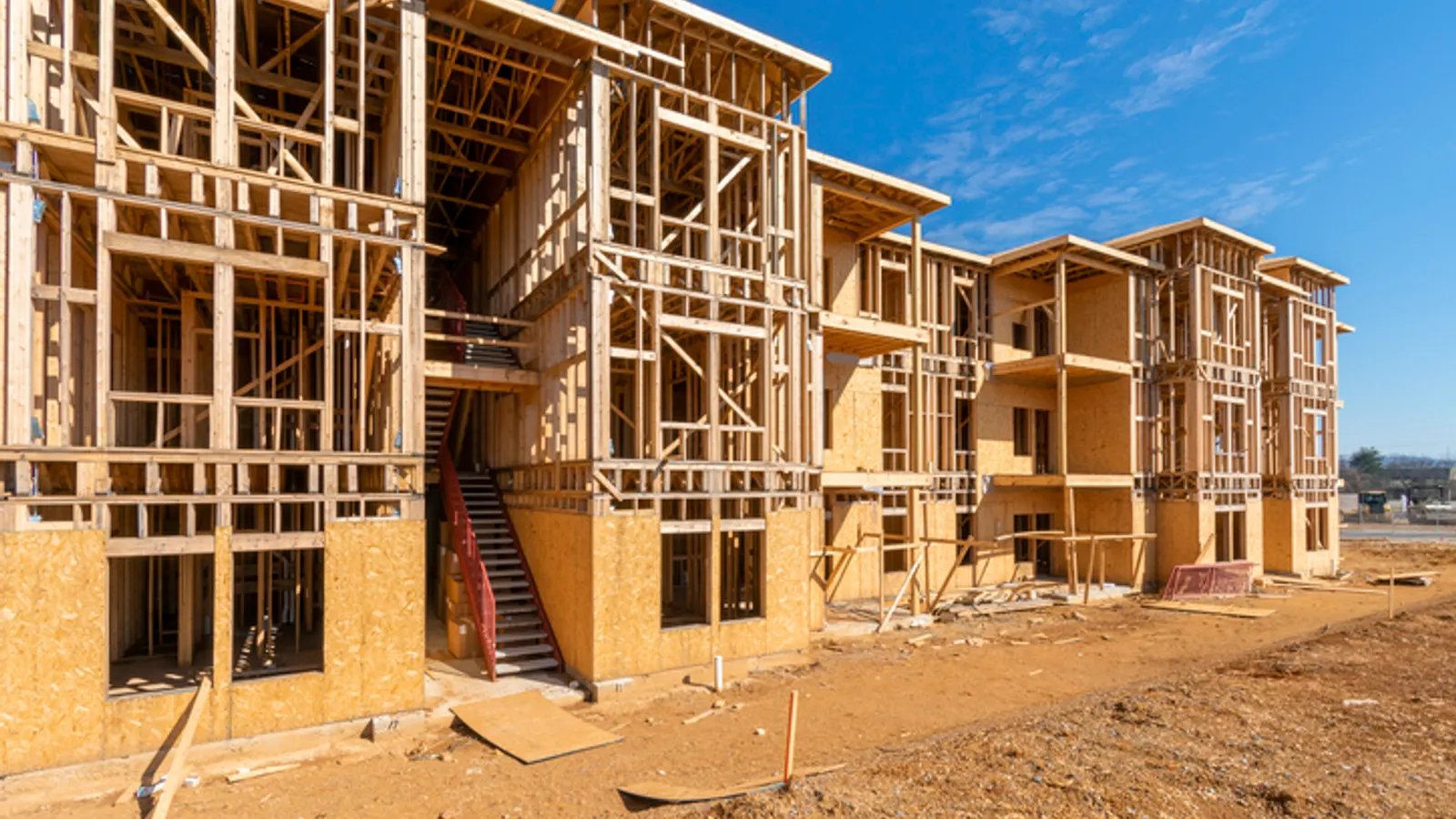
Multifamily Apartment Construction in Pueblo
Apartment and multifamily construction in Pueblo and Pueblo West: garden-style, walk-ups and elevator buildings priced by the unit, with clear schedules.
- Category
- General Contracting Services
- Area
- Pueblo and southern Colorado
- Next Step
- Request a Project Review
Pueblo West added 3,449 residents between the 2010 and 2020 censuses, going from 29,637 to 33,086, and it did so as an unincorporated community of about 49 square miles run by Pueblo County. A place that grows that way needs rental housing, and the land to build it is open and flat along US 50. The question for an apartment developer is less about demand than about cost: what does a building cost, how long does it take, and how does it pencil with a lender?
We build garden-style apartments, three and four story walk-ups, townhome rentals and elevator buildings. Wood framing over a slab or a podium is the common system at this scale. Concrete block and steel come in for stairs, elevator shafts and fire separations. In the city, infill sites are smaller and older, and the work often involves demolition and utility rework before the first footing.
We price from drawings, not from a rule of thumb. Our job is to help you hit your budget per unit and to say plainly when the program does not fit it. Owners who see a hard number early can adjust the unit mix or the amenities before the bank does it for them.
Where Apartments Are Being Built
The west side is the open land. Pueblo West sits about 7 miles west of the city, with US 50 running through it and I-25 touching its northeast edge. Its elevation is 5,033 feet, higher than the city, so snow load and frost depth in the design are a little heavier. A North Industrial Park gives employers a place to land, and employers bring tenants.
Pueblo Boulevard (State Highway 45) is the second candidate. The Pueblo Boulevard corridor runs 9.126 miles from I-25 exit 94 north to US 50, and it passes just south of Lake Minnequa and the Minnequa Business District. Plans to widen it to six lanes are described as awaiting approval, so access and right-of-way need checking before you buy. Downtown infill is the third, with an average commercial price of $78.80 per square foot in the Downtown Opportunity Zone.
How We Build Apartments
Apartment construction is a production system. Foundations, framing, roofing, rough-in, drywall and finishes move from building to building and floor to floor, and the trades follow each other in a rhythm. We lay out the site in a way that supports that rhythm: material storage close to the active building, crane or forklift access, clear paths and a sequence that lets each trade work without stacking on another.
We also handle the owner-side decisions that affect cost. Unit mix, ceiling height, appliance packages, flooring and exterior finishes all move the number. We bring numbers to those choices during preconstruction. If a feature costs several thousand dollars per unit and adds little to rent, we flag it. If a durable finish saves maintenance, we show the payback. The multifamily developers we work for appreciate this level of detail, because they have to defend every dollar to a lender or investor.
Cost per Unit and What Moves It
Cost per unit depends on the building type, unit size, parking, amenities and site. Surface parking on open land is cheap. Structured or podium parking changes the math entirely. Amenities such as a clubhouse, a pool or a fitness room add cost without adding rentable area. Utilities and offsite work, such as turn lanes, water-line extensions and detention, can be large on a greenfield parcel. Our site development and utilities work prices these from the start.
The city says commercial and industrial construction costs about 10 to 15 percent less than the national average. Apartment owners should treat that as a favorable market backdrop, not a guaranteed discount. Labor availability, material delivery and the weather at 4,692 feet all shape the final cost. We give you a range during design, and we narrow it as the drawings tighten.
Codes, Energy and Review
In Pueblo and Pueblo County, the Pueblo Regional Building Department lists the 2021 IBC and IECC, along with the 2023 NEC, as in effect. Apartment buildings with three or more units are built under the International Building Code, not the residential code, with sprinklers, fire alarms, accessible units and rated separations between units and corridors. Sound ratings between units are a common source of callbacks if the assembly is wrong, and we detail them with care.
Colorado's HB22-1362 sets an energy floor of the 2021 IECC for any jurisdiction that updates its code after July 1, 2023, with a low energy and carbon benchmark taking over from July 1, 2026. We confirm the energy path that applies on your date of application. County review for projects in Pueblo West runs through the Pueblo County Building Division, which has its own amendments, and the city quotes about 75 days for commercial approvals.
How Long an Apartment Project Takes
A 100-unit garden-style community often takes twelve to eighteen months from permit to final certificate of occupancy, with the first buildings turned over in phases. Delivering a few buildings early lets leasing begin while construction continues. We plan phases so each completed building is separated from active work with safe access, utilities and parking.
Weather plays a bigger role than owners assume. Framing and roofing in winter wind slows production, and concrete in a freeze requires protection. Starting foundations in spring or early summer gives a framing season in the dry months. Long-lead items such as windows, elevators, electrical gear and roof trusses are ordered at permit. For related housing types, our work in senior living construction and student housing follows similar rhythms with different code and design needs.
Apartment Types We Build
Garden-style apartments are the lowest cost per unit. Walk-up buildings of three or four stories give more density on the same parcel. Elevator buildings serve older residents, accessibility needs and stacked living over parking. Townhome-style rentals fit smaller sites and neighborhoods with a low-rise feel. The right type depends on your land, your market and your lender.
Mixed-use buildings add retail or office at street level, which brings extra code and structure. The multifamily and mixed-use building category is useful when a downtown or corridor site calls for that combination. We can price both a pure residential layout and a mixed version to show what the commercial base adds.
Bring Us the Unit Mix
Send the parcel, the unit count and your target cost per unit. We will return a budget range, a schedule and a short list of the items that move the number most.
Questions Owners Ask
What does the Pueblo market do to apartment costs?
The city says commercial and industrial construction here costs about 10 to 15 percent less than the national average. That is helpful, but it is not a promise for your site. We confirm the number with local trade bids before we give you a budget.
Should I build in Pueblo West or in the city?
Pueblo West has open land and a growing population. The city has infill sites and existing utilities, but smaller parcels. Pueblo West is also higher in elevation, so design loads change a little. We price both so the comparison includes construction, not just land.
How are apartments phased for early leasing?
We sequence building by building and floor by floor so that completed buildings can be handed over while others are still under construction. Each finished building gets fenced separation, safe access, working utilities and permanent parking.
Do sound ratings between units matter?
Yes, and they are one of the most common complaints in new apartments. The code sets a minimum for walls and floors between units, and we detail assemblies, sealants and mechanical isolation with care. A little extra attention at construction is far cheaper than a retrofit.
What energy rules apply to a new apartment building?
Colorado's HB22-1362 sets a floor of the 2021 IECC for any jurisdiction updating its code after July 1, 2023, and a stricter state benchmark from July 1, 2026. We confirm which energy path applies on your permit date.