
Cold-Climate Commercial and Storage Construction in Rye, Colorado
Small commercial, storage and community buildings in Rye, built for deep frost, heavy snow and a short season in the Greenhorn Valley.
- Category
- Service Areas
- Area
- Pueblo and southern Colorado
- Next Step
- Request a Project Review
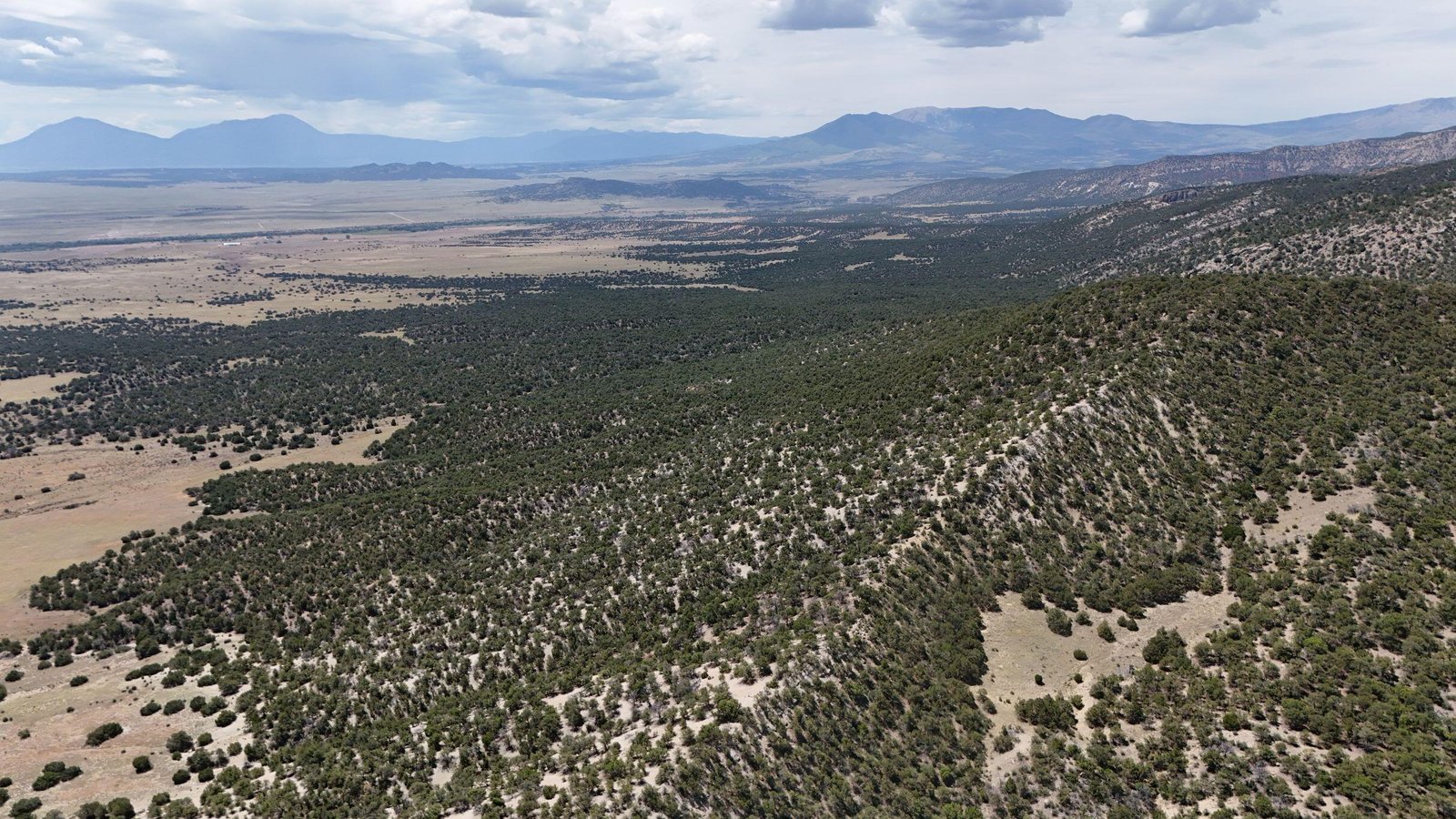
Cold decides how you build in Rye, and the builder who ignores it pays for it twice. At 6,828 feet in the Greenhorn Valley, the ground freezes deep, the wind crosses the open valley and a pour that would be routine in Pueblo needs blankets, heat or a delay. We build small commercial, community and storage buildings here with the winter in the plan from the first sketch.
Rye has an all-time record low of minus 36 degrees Fahrenheit and 206 residents in 2020. State Highway 165, a 36.894 mile route that ends at I-25 exit 74, passes through town after leaving the San Isabel National Forest. That gives the valley a direct line to the interstate, and it can bring visitors and seasonal residents through on their way to the high country. The population rose 34.6 percent from 153 in 2010 to 206 in 2020, and Rye is part of the Pueblo metropolitan statistical area.
Growth that small does not support big developments, but it does support steady, modest work: a store, a community hall, a few rental cabins, storage buildings, a shop for a trade. Those projects have to be built right because maintenance is expensive when the nearest supplier is a drive away. We design for durability, and our commercial real estate developer clients appreciate that approach on small mountain-valley sites.
Frost, snow and wind
Frost depth sets the footing depth, and in a high valley it is deeper than in town. Footings that sit above the frost line heave and crack walls. We follow the depth required by the local building department and the geotechnical report, and we protect the subgrade from freezing before and after concrete is placed. Slab-on-grade buildings get insulated edges and sometimes under-slab insulation to cut heat loss and frost risk.
Snow and wind loads follow the structural design for the site, which the local jurisdiction sets. We make sure roof framing, connections and bracing meet the numbers, and we detail eaves, valleys and roof penetrations so that snow slides safely and ice does not damage the building. Metal roofs with snow guards are common. Gutters are often left off or heated, depending on the owner's preference.
Planning for cold-weather work
In winter, concrete needs heated enclosures, insulating blankets, warm mix water and sometimes accelerators, so it gains strength before it freezes. Masonry needs similar protection. Framing is less sensitive, but ice, snow and short days slow the crews. We plan the sequence so that the most weather-sensitive work happens in the milder months and the interior work runs in the cold.
For work that must proceed in cold weather, we price the protection separately. That lets an owner decide whether to pay for winter work or wait for spring. Neither answer is wrong; the point is to see the cost before the decision. Colorado also requires any city or county that updates its building code after July 1, 2023 to adopt an energy code at least as strong as the 2021 IECC, so insulation and air sealing are part of every cold-climate design.
Building seasons in a mountain valley
A good Rye schedule targets late spring through early fall for site work, foundations and exterior structure, then moves indoors as temperatures drop. We get the building weathertight before the cold sets in, so finishing work proceeds with heat. If the owner needs a spring opening, we aim to have the shell closed by late fall.
Delivery matters as well. Materials come by SH 165, which can be slow in snow, and a late truck can cost a day. We stage materials ahead, order early and keep a buffer. For a retail or visitor-oriented building, we back-time the schedule from the opening date and remind owners that a delayed permit in winter can mean a delayed season.
What cold adds to the price
Cold adds cost in three places: deeper footings and more insulation, winter protection for concrete and other work, and heating systems that carry more load. It also changes the design: larger heating equipment, tighter envelope details and materials that handle freeze-thaw cycles. A building that skips these details costs less to build and more to run.
Distance adds a bit more. Rye is about 30 miles southwest of Pueblo, so trips for materials, inspections and rental equipment take time. We bundle deliveries, keep tools and supplies on site and use local help when it makes sense. Owners who know these costs at the beginning make better decisions about size and finish. A smaller building with a better envelope often beats a larger one that is cold and costly to heat, and we are happy to run both numbers.
Storage, lodging and light commercial
The projects we see fit a few categories. Self-storage construction works well near a highway where residents and seasonal owners need space. Small restaurants and cafes, handled through restaurant construction, serve visitors passing through. Mixed-use buildings with a shop below and living space above can use limited land well, and our mixed-use construction approach keeps the two uses separate for fire, sound and utilities. A storage or shop building can also be built as a pre-engineered metal building, which goes up quickly in a short season and can be added to later.
Nearby communities such as Beulah and Colorado City share the same mountain-edge climate and similar buildings. An owner with sites in more than one of them can have one team plan the schedule and the winter protection for all.
Building in the Greenhorn Valley?
Tell us the use and the lot. We will explain footings, winter work and the schedule that fits the season.
Questions Owners Ask
How cold does it get, and does it stop you from working?
Rye has recorded a low of minus 36 degrees Fahrenheit, and winter work needs special handling. We can pour concrete and build in cold weather with the right protection, but it adds cost. Many owners schedule exterior concrete and framing for warm months and finish interiors in winter.
How deep do footings need to be?
The depth depends on the local building department's frost requirement and the soil. In a high valley it is deeper than in Pueblo. We confirm the number with the building department and the geotechnical engineer before pricing.
What roof works best for heavy snow?
Standing seam metal with snow guards and a sound structure is common. Roof slope, ventilation and insulation all affect ice buildup. We detail the roof for the loads the jurisdiction requires and for the way snow will slide.
Can you build a small commercial building on a rural lot?
Yes. We handle site work, utilities, foundation, structure and finishes. Water and wastewater often depend on wells and septic systems, so we check the lot early. We help with the county permit path as well.
Is it worth building in winter?
Sometimes. If the schedule demands it, we can proceed with protection, and we price that protection openly. If it does not, waiting for warmer weather can save money. We help owners compare the two.